The Indie Film Guide to Short Ends & Recans
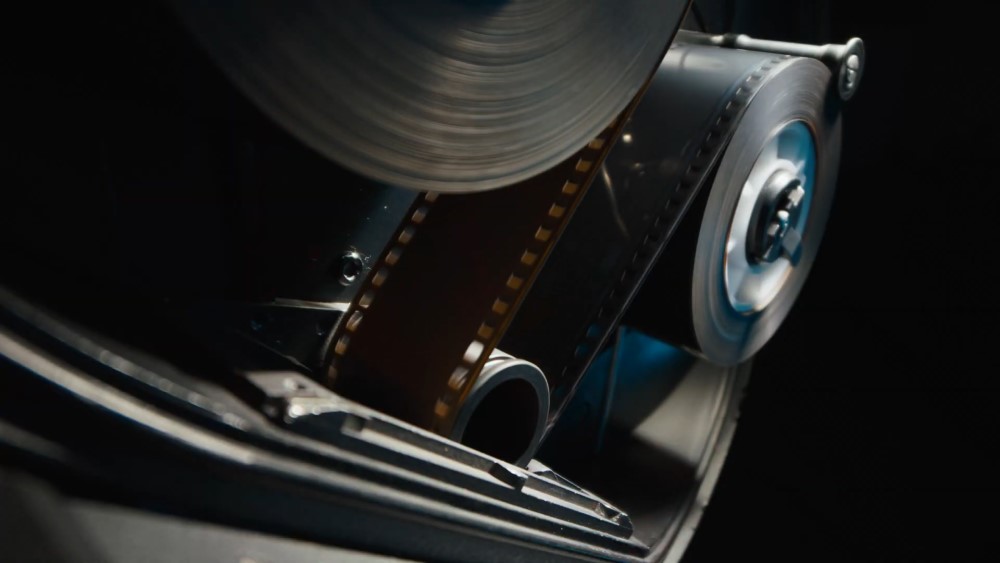
Shooting film remains the holy grail for many independent filmmakers — a medium that imparts a texture, depth, and discipline that digital sensors struggle to replicate. But the barrier to entry is often a single, daunting number: the price per foot.
When a 400-foot roll of fresh 16mm stock costs upwards of $200 (yielding only about 11 minutes of footage), the math can kill a project before it begins. But there is a backdoor into the world of celluloid that seasoned cinematographers have used for decades. It’s called the “grey market” of raw stock: short ends and recans.
This guide demystifies these discounted resources, showing you how to source, test, and shoot them to achieve a premium look on an indie budget.

WHAT YOU WILL LEARN IN THIS ARTICLE |
|
WHAT ARE SHORT ENDS AND RECANS?
To buy effectively, you need to know exactly what you are purchasing.
SHORT ENDS
These are the “leftovers” from a larger production. If a studio feature loads a 1,000-foot magazine but only shoots 600 feet, the remaining 400 feet is clipped off and placed back in a can. It is unexposed, perfectly good film, just in a shorter length than the factory standard.
RECANS
This is stock that was loaded into a camera magazine but never shot. Perhaps the scene was cut, or the lighting changed, and the magazine was downloaded back into a can. This stock has been handled, but not exposed to light (theoretically).
WHERE TO FIND THEM
In 2025, the marketplace for film stock has shifted online, but reputable vendors are still key to avoiding “fogged” (ruined) film.
1. DEDICATED RESELLERS (THE SAFEST BET)
These companies specialize in buying leftover stock from large productions, testing it, and reselling it. They often guarantee the quality.
| Frame24 (UK/International) | A major player that ships globally. They are a go-to for many indie productions and often have decent stock levels of 16mm and 35mm. |
| Mono No Aware (USA) | A non-profit cinema arts organization that sells film stock at very fair rates to support their educational programs. |
| Media Distributors & Raw Stock Houses | Search for “motion picture film short ends” distributors in major hubs like Los Angeles, New York, or Atlanta. |
2. DIRECT FROM PRODUCTIONS/DPS
Cinematographers often finish a project with extra rolls sitting in their fridge.
| Cinematography Forums | Check buy/sell sections on sites like Cinematography.com or specialized Facebook groups (e.g., “Motion Picture Film Stock for Sale”). |
| Rental Houses | Local camera rental houses sometimes have a “bin” of leftover stock from clients who didn’t want to ship it back. |
THE GOLDEN RULE: TRUST, BUT VERIFY (THE “SNIP TEST”)
Buying second-hand stock carries risk. The film could have been X-rayed at an airport, left in a hot trunk, or accidentally flashed. Never shoot an important project on a short end without testing it first.
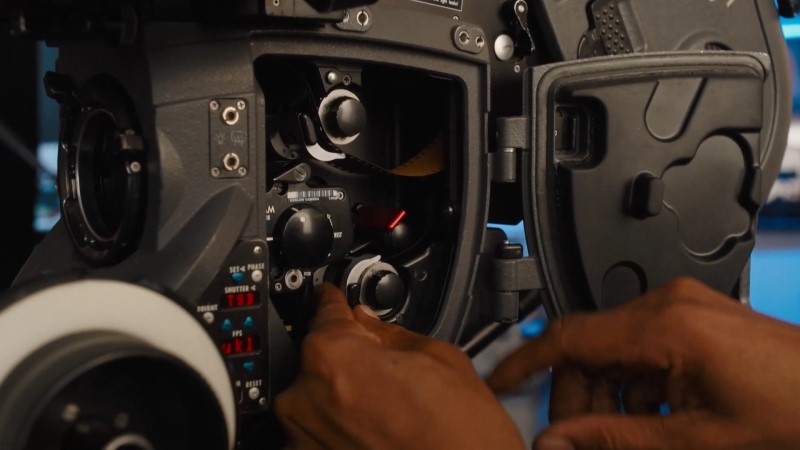
How to Perform a Snip Test: You don’t need to shoot a whole roll to test it.
| 1. | Cut a Strip | In a darkroom or changing bag, cut off a few feet (roughly 3-5 feet) from the head of the roll. |
| 2. | Send to Lab | Send this strip to a motion picture lab (like Kodak Film Lab, Fotokem, or Cinelab). Mark it clearly as a “Snip Test.” |
| 3. | The Analysis | The lab will develop that strip and measure its “base density.” If the density levels are too high (fogged), the film is damaged. If they are within normal range, the stock is healthy. |
| Pro Tip: Some resellers perform this test for you and write the results on the can. Always ask if a “snip test” has been done recently. |
SHOOTING STRATEGY: MITIGATING RISK
Even with a clean test, second-hand film requires a slight adjustment in your shooting philosophy.
OVEREXPOSE SLIGHTLY
Older film loses sensitivity over time. A common rule of thumb for stock that is a few years old is to rate it slightly slower. If you have 500T stock, rate your light meter at 320 or 400 ISO. This “overexposure” helps punch through any potential base fog, ensuring rich blacks and good shadow detail.
USE FOR B-ROLL FIRST
If you are nervous, use your recans for inserts, landscapes, or experimental sequences before committing them to your main dialogue scenes.
STORE IT COLD
As soon as you get the film, put it in the fridge (or freezer for long-term storage). Heat is the enemy of film.
THE BOTTOM LINE:
Shooting film doesn’t require a Hollywood bank account; it requires hustle. By utilizing short ends and recans, you can often secure premium Kodak Vision3 stock for 20% to 50% less than retail price.
The audience doesn’t care if your film came from a factory-sealed box or a leftover can from a Marvel movie. They only see the image. So grab some “trash” stock, perform your snip test, and go make something cinematic.
Ready to Master the Analog Workflow?
Understanding filters is just one piece of the puzzle. To truly shoot film, you need to master the light meter, understand stock personalities, and know how to manipulate the chemical process itself.
In the Exposing Motion Picture Film Masterclass, Shane Hurlbut, ASC takes you through every step of this journey.
| YOU CAN ACCESS THE FULL MASTERCLASS IN TWO WAYS | |
| BECOME A PREMIUM ANNUAL MEMBER | Get unlimited access to this masterclass, plus our entire library of hundreds of courses, monthly live coaching, and an exclusive community of filmmakers. |
| A LA CARTE PURCHASE | Buy the standalone masterclass for a one-time fee of $129.99 and own it forever. |
Forget “fast.” Choose timeless. Master the process.
This masterclass was produced in collaboration with Kodak.