Allusion
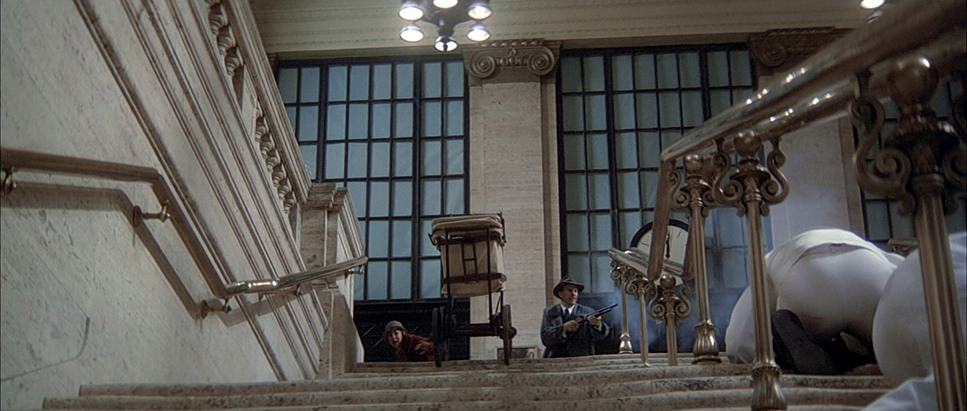
An allusion is a subtle, indirect reference within a film to another work of art. This can include a nod to another movie, a painting, a novel, a historical event, or a famous person. The key to an allusion is its subtlety. The filmmaker does not explicitly state the reference. Instead, they trust that a portion of the audience will recognize the connection. This technique is a form of cultural shorthand. It adds layers of meaning to a scene, character, or theme.
The Purpose of an Allusion
Filmmakers use allusions to enrich their story. It is a way of “winking” at the audience. This rewards viewers who have the outside knowledge to catch the reference. An allusion can serve several purposes. It can add a new layer of meaning and foreshadow future events. It can also create an ironic contrast between the two works. By alluding to a classic myth or story, a filmmaker can also tap into its timeless, universal themes.
How Filmmakers Use Allusion
Allusions can be woven into a film in many ways. They are not just found in the script.
| Visual Allusions | A director or cinematographer might intentionally compose a shot to mirror a famous painting. For example, a scene in a diner might be framed to look like Edward Hopper’s “Nighthawks.” A more famous example is the baby carriage scene on the steps in The Untouchables. This is a direct visual allusion to the Odessa Steps sequence in Battleship Potemkin. |
| Dialogue Allusions | A character might say a line that subtly echoes a famous quote from literature or another film. The line has one meaning in the context of the scene. It also carries the extra “baggage” or meaning from its original source. |
| Thematic Allusions | A film’s entire plot can be an allusion. For instance, the Coen Brothers’ film O Brother, Where Art Thou? is a clear thematic allusion to Homer’s epic poem, The Odyssey. |
| Audio Allusions | A filmmaker might use a specific musical cue. This cue might be strongly associated with another director or genre. This choice can be used to honor that work or to subvert the audience’s expectations. |
Allusion vs. Homage vs. Parody
People often confuse allusion with homage and parody. While they are all forms of intertextuality (one text referencing another), they have different intentions.
- Allusion is a subtle, indirect reference. It is a layer of subtext that you might not notice on a first viewing.
- Homage is a direct, respectful, and obvious tribute to another work. The director wants you to notice it as a celebration of their influence.
- Parody is an imitation that mocks or satirizes the original work for a comedic effect.
In summary, an allusion is a sophisticated storytelling device. It invites the audience to look deeper. It connects the film to a larger shared cultural history. This makes the world of the film feel richer and more complex.
« Back to Glossary Index