Aerial Shot
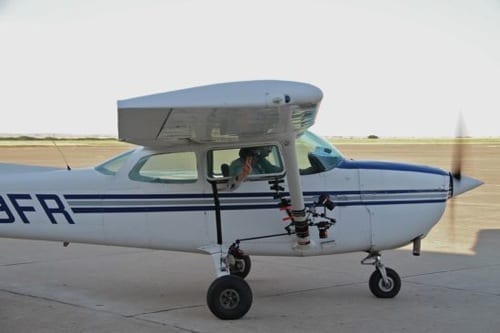
An aerial shot is any shot filmed from the air. This technique provides a high-angle perspective of a subject or location. Filmmakers use various flying devices to capture these shots. This creates a sense of scale, establishes geography, and offers a unique view of the action. The aerial shot is a powerful tool in a cinematographer’s visual arsenal. It can transform an ordinary scene into a spectacular one.
The Evolution of Aerial Cinematography
Historically, achieving an aerial shot was a major logistical and financial challenge. Productions had to use full-sized airplanes or helicopters. This required large budgets, specialized pilots, and bulky gyrostabilized camera mounts. The expense and complexity limited these shots to large-scale, high-budget productions. While helicopters offered more maneuverability than airplanes, they were still restricted. They could not fly too low or in tight, confined spaces.
The Drone Revolution 🚁
The development of high-quality, professional drones has completely revolutionized aerial cinematography. Drones, or Unmanned Aerial Vehicles (UAVs), are small, remote-controlled aircraft. They can carry lightweight, high-resolution cinema cameras. This technology has made aerial shots accessible to a much wider range of filmmakers. Independent films and smaller productions can now achieve spectacular aerials that were once impossible.
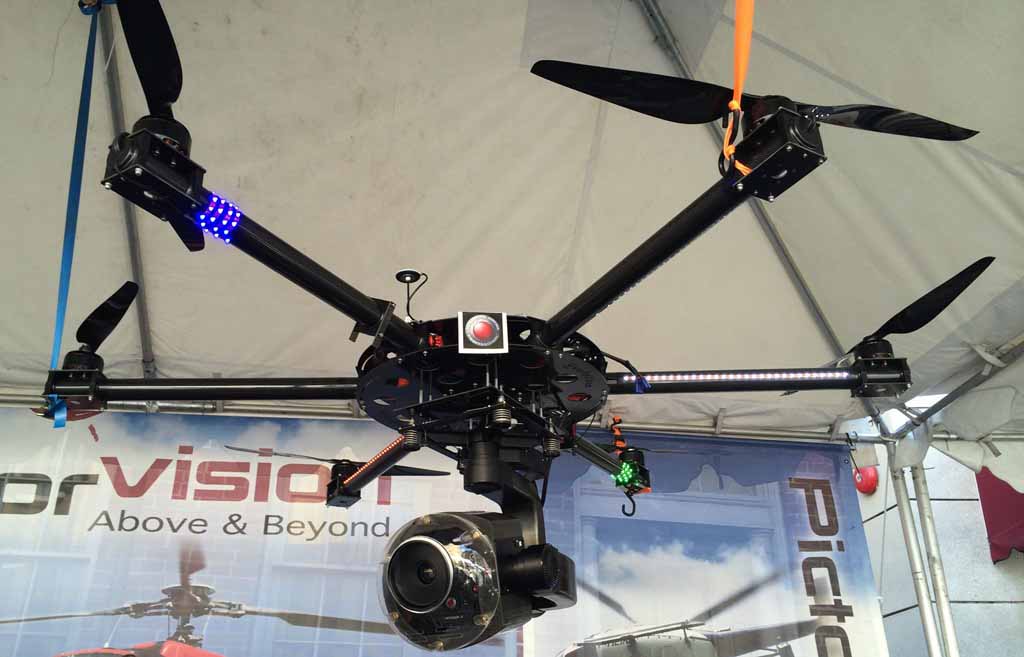
Drones offer several key advantages over traditional methods. They are significantly less expensive to operate. They can also fly lower, slower, and closer to subjects than a helicopter. This allows for more intimate and dynamic camera movements. The result is a greater range of creative possibilities for directors and cinematographers.
Cinematic Purpose of Aerial Shots
Filmmakers use aerial shots to achieve several key narrative and aesthetic goals.
| Establishing Shots | This is the most common use of an aerial shot. A wide aerial view can introduce a new location, like a city skyline or a vast desert landscape. This immediately gives the audience a clear sense of geography and context. |
| Creating Scale and Grandeur | Aerial shots excel at showing the immense scale of an environment. They can make a character look small and isolated against a huge backdrop. This can create a feeling of awe, wonder, or vulnerability. |
| Providing a Unique Perspective | An aerial shot can offer a “God’s eye view.” This is a top-down perspective that can feel omniscient or detached. This unique vantage point can provide the audience with information that the characters do not have. |
| Following Action | A dynamic aerial shot is perfect for tracking high-energy action sequences. It can follow a car chase down a winding road or a character running across a field. This creates a thrilling and immersive experience for the viewer. |
While many aerial shots are dynamic, they can also be static. A helicopter or drone might hover in a fixed position. This creates a stable, observational high-angle shot. Whether moving or static, the aerial shot always provides a powerful and elevated perspective on the story.
« Back to Glossary Index