ADR
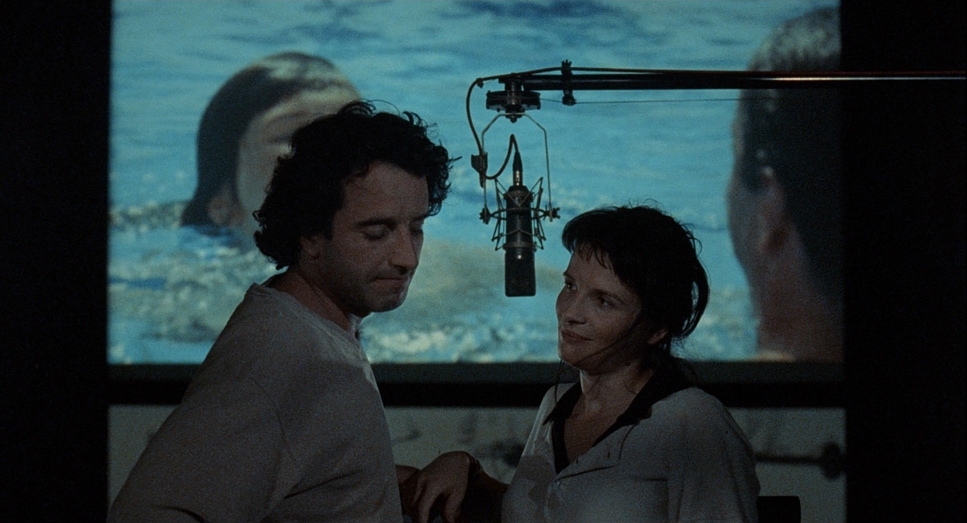
ADR stands for Automated Dialogue Replacement. It is a standard post-production process in filmmaking. ADR is the technique of re-recording an actor’s dialogue in a controlled studio environment. The newly recorded dialogue then replaces the original audio captured during filming. This process is also commonly known by its older name, looping, or the more general term, dubbing. ADR is a crucial tool for sound editors. They use it to fix sound problems and improve the overall quality and clarity of a film’s soundtrack.
Why is ADR Necessary?
Filmmakers rely on ADR for many different reasons. The primary use is to replace unusable production sound. A film set can be a noisy and unpredictable environment. The original dialogue recorded on location might be ruined by various issues. These can include loud background noise like traffic or airplanes. Technical problems like microphone rustling or wind noise are also common. Sometimes, an actor’s original performance may have flaws. They might mumble a line or deliver it with the wrong emotional tone. ADR allows the production to fix these problems. It ensures that every line of dialogue is clean, clear, and perfectly delivered.
ADR is also used for creative purposes. A writer or director might decide to change a line of dialogue after filming. This can help clarify a plot point or improve the story’s flow. Filmmakers also use ADR to add off-screen dialogue or the internal thoughts of a character. Furthermore, ADR is essential for creating foreign-language versions of a film. Voice actors use the ADR process to dub the dialogue into a different language.
The ADR Process
The ADR process is a meticulous and challenging task for an actor. It requires them to recreate their original on-screen performance perfectly. The process typically happens in a sound studio.
| 1. First, the sound editor isolates the specific line or scene that needs to be replaced. |
| 2. The actor then stands in a recording booth. They watch the scene play over and over again on a screen. This is why the process was originally called “looping.” |
| 3. While watching their own on-screen performance, the actor listens to the original dialogue through headphones. |
| 4. They then perform the line again and again. Their goal is to match the exact timing, pitch, and emotional intensity of the original performance. |
| 5. The ADR recordist captures these new takes. The actor must also perfectly match the lip movements of their on-screen self. |
The Final Polish
After recording, the sound editor takes the best ADR performances. They then skillfully mix them into the film’s final soundtrack. They must carefully treat the new audio. This ensures it matches the acoustic quality of the original scene’s environment. When done well, the audience will never notice the dialogue was replaced. ADR is an invisible but essential art. It is responsible for the clean and polished dialogue we hear in almost every professional film and television show.
« Back to Glossary Index