Ambient sound
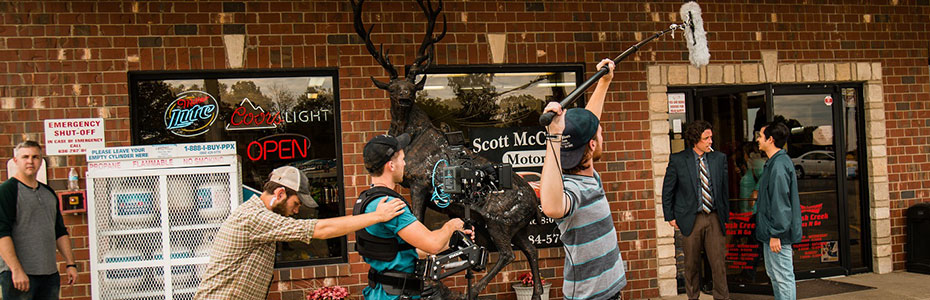
Ambient sound is the unique background audio texture of a specific location. Filmmakers also call it ambience, atmosphere, atmos, or room tone. It is the sound of a space. This audio layer provides a crucial sense of realism for the audience. Ambient sound makes the world of the film feel authentic and alive. It is a fundamental element of professional sound design.
The Sound of a Space
Ambient sound defines a location’s audio footprint. Every space has one. An empty office, for example, has a specific sound. This might include the hum of computers. It could also include the buzz of fluorescent lights. A forest has a different sound. Listeners might hear wind, insects, or distant birds. These sounds are not specific, plot-driven effects (like a gunshot). Instead, they are the general, underlying audio texture of the environment.
Why Ambience is Crucial
Pure silence in a film sounds unnatural. It feels empty and fake to the audience. Our ears expect to hear the sound of the world, even in a quiet room. Ambient sound fills this void. It grounds the visuals in a believable reality. A scene in a busy restaurant feels wrong without the general murmur of crowds and clatter of plates. A scene in a suburban bedroom feels empty without the subtle sound of crickets or distant traffic. Ambience creates this essential sense of place.
Capturing “Room Tone” on Set
The on-set production sound mixer is responsible for capturing ambient sound. They record a “room tone” for every new location. The First Assistant Director (1st AD) will often call for “quiet” on set. Everyone must remain silent and still. The sound mixer then records at least 30 to 60 seconds of the location’s unique sound. This recording becomes a vital asset for post-production. It is a clean audio “fingerprint” of the location.
Using Ambience in Post-Production
Sound editors in post-production use this recorded room tone. They lay it in as a continuous audio base layer for the entire scene. It runs underneath the dialogue, music, and specific sound effects.
This ambient track makes the final audio mix feel seamless. When an editor cuts between different dialogue takes, there are small, silent gaps in the audio. Room tone fills these gaps. This prevents jarring audio “dropouts” between lines. It also helps blend ADR (Automated Dialogue Replacement) with the on-set production sound. The room tone glues all the different audio elements together.
In summary, ambient sound is an invisible but essential part of filmmaking. It is the audio foundation of a scene. It creates a believable world and ensures a smooth, polished final soundtrack.
« Back to Glossary Index