Ambiance
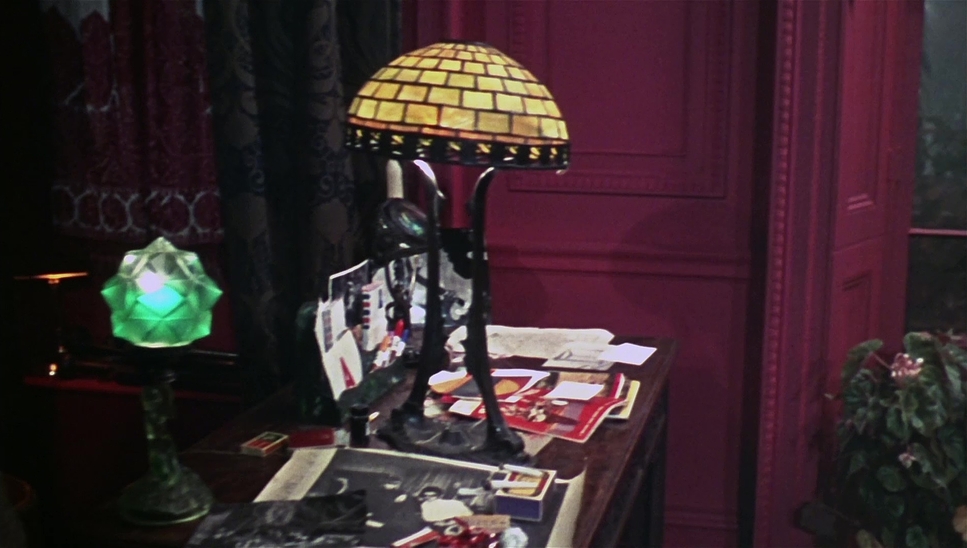
Ambiance is the distinct mood, feeling, or atmosphere of a particular scene or location. It is the intangible quality that gives a space its unique emotional character. This “vibe” is not created by one single element. Instead, ambiance is the sum of all the creative choices in a film. It is a critical part of visual storytelling. It allows the audience to feel the world of the film, not just see it.
How Filmmakers Create Ambiance
A director works with every department to build a scene’s ambiance. Each choice is a layer. Together, these layers create a cohesive emotional experience. The ambiance must always support the narrative and the characters’ emotional state.
The Role of Mise-en-Scène
Production design is a primary tool for creating ambiance. The design of a set or the choice of a location sets an immediate tone. A cluttered, dimly lit room creates an ambiance of chaos or mystery. A bright, minimalist space might feel calm or sterile. Props, set dressing, and even the color palette of the walls all contribute to this feeling.
Shaping Ambiance with Lighting
Cinematography is essential for shaping ambiance. Lighting, in particular, has a direct impact on mood.
- Low-key lighting with deep shadows creates an ambiance of suspense or fear.
- High-key lighting that is bright and even creates an upbeat or cheerful mood.
- Color temperature also plays a huge role. The warm, golden light of magic hour creates a romantic ambiance. The cool, blue light of a city night can feel isolating or futuristic.
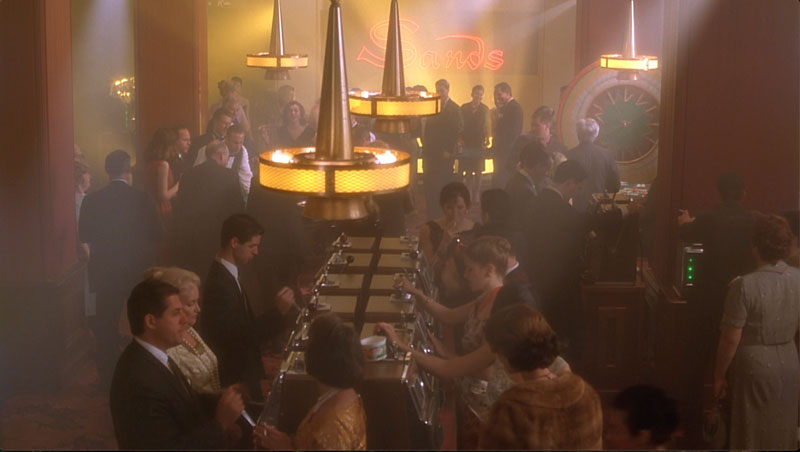
The Rat Pack | HBO Films
The Sound of a Space (Ambience)
The sound design is a crucial, though sometimes overlooked, part of ambiance. In fact, the term ambience (spelled with an ‘e’) is the technical term for the background sound of a location. This background sound, or “atmos,” is the audio foundation of the mood. The sound of gentle wind in the trees creates a peaceful ambiance. The distant sound of sirens and traffic creates a tense, urban feel. Even silence can be a powerful tool. It can create an ambiance of heavy anticipation or isolation.
Performance and Pacing
The actors’ performances also contribute to the atmosphere. Their energy, body language, and the pacing of their dialogue affect the scene’s overall feeling. A fast, frantic pace creates a high-energy atmosphere. Slow, deliberate movements and long pauses can build a feeling of suspense.
In conclusion, ambiance is a total sensory experience. It is the result of careful, intentional design. Every department works together to craft this feeling. This ensures the audience is fully immersed in the emotional world of the story.
« Back to Glossary Index