Animation
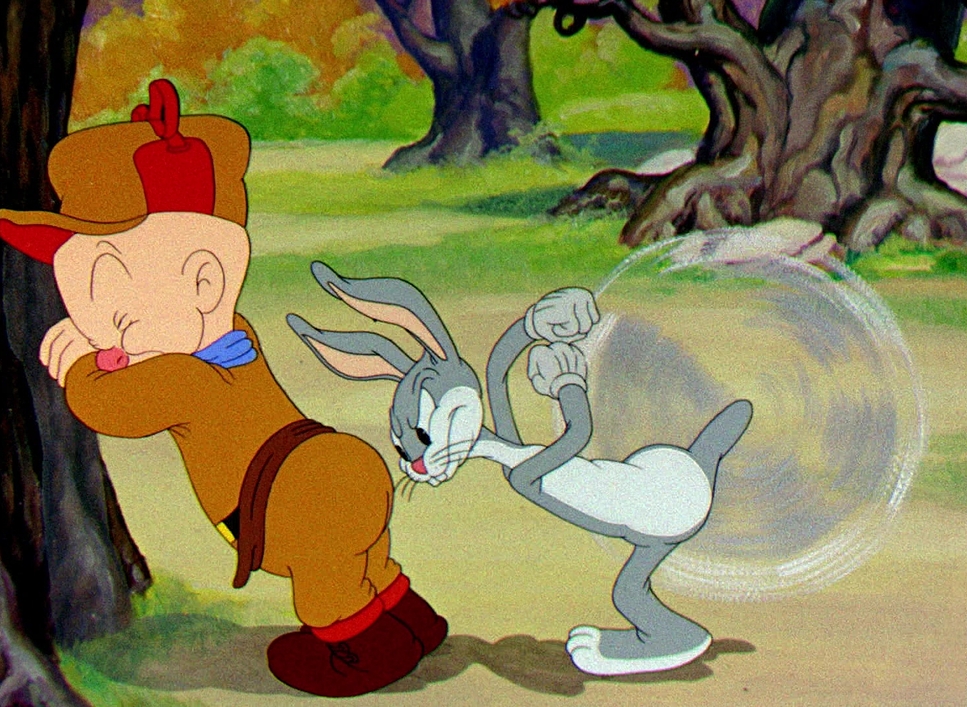
Animation is the technique of creating the illusion of motion. It is not live-action filmmaking. Instead, animators work with a series of individual static images. Each image, or frame, differs slightly from the one before it. When an audience views these frames in rapid succession, their brains perceive movement. This effect is a result of a cognitive phenomenon called persistence of vision. The process allows artists to bring inanimate objects or drawings to life. While often used as a synonym for cartoons, animation is a broad and versatile art form. It encompasses a wide variety of styles and techniques.
The Fundamental Process
All forms of animation share a common foundation. They all rely on the frame-by-frame creation of a moving image. Unlike live-action, where a camera captures naturally occurring action, animators must construct the action themselves. They meticulously create or manipulate an image. They then capture a single frame of it. Next, they make a minuscule change to the image. They then capture the next frame. They repeat this painstaking process thousands of times. Usually, 24 frames are required to create just one second of smooth animated motion.
Major Animation Techniques
Animation is not a single style but a collection of diverse methods. Each technique offers a unique aesthetic and creative process.
| Traditional 2-D Animation | This is the classic method often associated with early Disney films. Artists originally drew every frame by hand on paper. Later, they drew on transparent sheets called “cels.” These cels were then placed over a painted background and photographed one by one. Modern 2-D animation now often uses digital drawing tablets. However, the core principle of creating sequential drawings remains the same. |
| Stop-Motion Animation | This technique involves physically manipulating real-world objects. The animator moves an object slightly, takes a picture, and repeats the process. Claymation (using clay figures like in Wallace and Gromit), cutout animation (using paper shapes), and puppet animation are all types of stop-motion. |
| Computer Animation (CGI) | This broad category uses computers to create animated images. |
| 2-D Computer Animation uses digital tools to replicate the look of traditional cel animation. It offers greater efficiency and flexibility. | |
| 3-D Computer Animation involves creating digital models of characters and environments within a three-dimensional virtual space. Animators then “pose” and move these digital puppets frame by frame. Films from studios like Pixar, such as Toy Story, are famous examples of 3-D CGI. | |
More Than Just Cartoons
Animation is a powerful and flexible storytelling medium. It is not limited to children’s stories or cartoons. Animators can tell any kind of story imaginable. The medium allows for complete creative freedom. Filmmakers can create fantastical worlds that are impossible to film in live-action. They can also use animation to explore complex, mature themes in a visually expressive way. From abstract experimental films to heartfelt dramas, animation covers every genre. It stands alongside live-action as a vital and legitimate form of cinema.
See also CGI, claymation, stop-motion, time-lapse.
« Back to Glossary Index