3-D

3-D (three-dimensional) film is a motion picture format that enhances the illusion of depth perception. It creates a more immersive viewing experience for the audience.
The technology works by simulating human stereoscopic vision. Our brains perceive depth by combining the two slightly different images that each of our eyes sees. 3-D filmmaking replicates this natural process. It records a scene from two separate perspectives. It then presents these two perspectives back to the viewer’s corresponding eyes. This tricks the brain into seeing a single, three-dimensional image.
How 3D Film Works
There are two primary methods for creating a 3D film.
| Native 3D Capture | Filmmakers use specialized camera rigs for this method. They mount two perfectly synchronized cameras side-by-side. This setup mimics the distance between human eyes. Professional productions might use two high-end digital cinema cameras for this process. This native capture method often produces the most natural and comfortable 3-D effect. |
| 2D to 3D Conversion | This technique occurs in post-production. Artists digitally create a second perspective for a traditionally filmed (2-D) movie. They meticulously isolate objects and characters in each frame. They then shift these elements to create the illusion of depth. While conversion technology has improved, it is sometimes criticized for lacking the natural depth of native 3-D capture. |
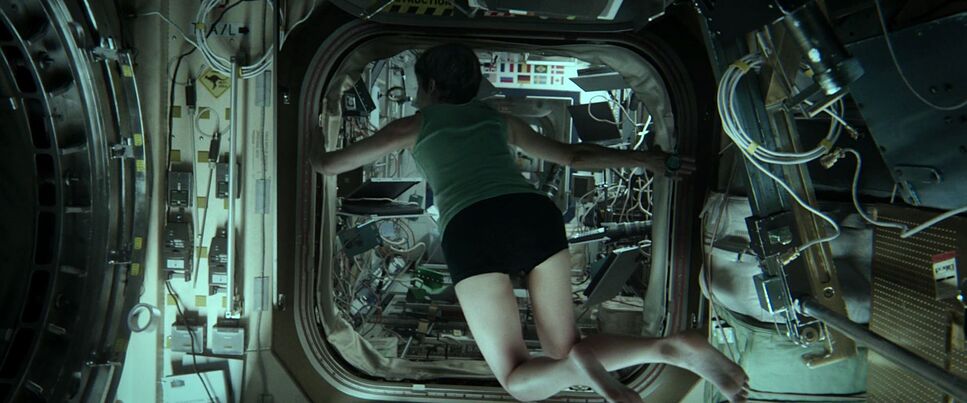
Viewing the 3-D Effect
To see the 3-D effect, the audience must wear special glasses. These glasses ensure that each eye only sees its intended image. Several different technologies achieve this.
| Anaglyph 3-D | This is an older method. It uses glasses with two different colored lenses (often red and cyan). Each lens filters out the corresponding colored image on screen. This allows the brain to combine them into a single 3-D image. |
| Polarized 3-D | This is the most common system in modern movie theaters. The projector displays two images with different light polarizations. The glasses have corresponding polarized lenses. Each lens only allows one of the images to pass through. |
| Active Shutter 3-D | This system is common in home theater setups. The glasses have LCD lenses that rapidly flicker. They darken over each eye in perfect sync with the display. The display alternates between the left and right eye images at a very high speed. |
The History and Impact of 3-D
3-D cinema is not a new invention. It has gone through several waves of popularity. The first major boom occurred in the 1950s. Studios used 3D as a gimmick to compete with television. However, technical issues limited its success. The technology saw a massive, sustained revival in the 2000s. James Cameron’s Avatar (2009) was a landmark film. It demonstrated the powerful immersive potential of modern digital 3-D. This success sparked a new wave of 3D productions. While its popularity has fluctuated, 3D remains a significant tool. Filmmakers use it to offer audiences a premium and engaging theatrical experience.