30 degree rule
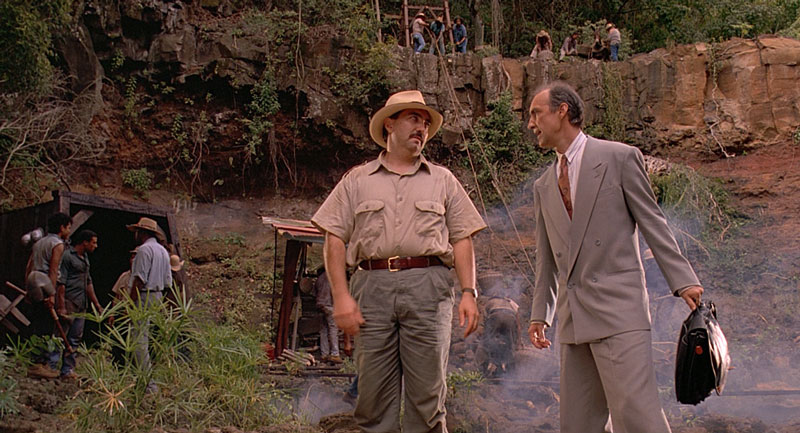
The 30-degree rule is a fundamental guideline in cinematography and film editing. It provides a simple method for creating smooth, continuous-feeling cuts. The rule states the camera must move at least 30 degrees relative to the subject between two successive shots of that same subject. This change in perspective ensures the shots are different enough. It prevents an awkward or jarring transition for the audience. Following this rule is a core principle of continuity editing.
Why the 30-Degree Rule Exists
The primary purpose of this rule is to avoid a jump cut. A jump cut occurs when two sequential shots of the same subject are too similar in angle and composition. When cut together, this slight difference makes the subject appear to “jump” unnaturally on screen. This effect can look like a technical mistake. It can abruptly pull the audience out of the story. Viewers might focus on the strange edit itself rather than the narrative. The 30-degree rule provides a clear, measurable solution. It helps maintain the illusion of a continuous and seamless reality for the viewer.
Applying the Rule in Practice
Filmmakers apply this rule during both production and editing. When shooting a scene, a director or cinematographer will plan their camera setups. For example, they might first film a medium shot of a character. For the next shot of that character, they will physically move the camera. They must move it at least 30 degrees to the left or right of the previous position. This creates a distinctly different angle.
A common sequence might involve three shots. First, a medium shot establishes the character. Then, the camera moves more than 30 degrees for a medium close-up. Finally, the camera moves again for a close-up from another angle. When an editor cuts these three shots together, the action flows smoothly. The audience accepts the change in perspective without being distracted. This principle is timeless. It applies to all filmmaking, from classic cinema to modern digital productions using advanced cameras.
Combining with Other Principles
The 30-degree rule works closely with another key guideline: the 20mm/30-degree rule. This expanded version adds another condition. It suggests a change in focal length (at least 20mm) or camera angle (at least 30 degrees). This gives filmmakers another tool to avoid jump cuts. Changing the shot size significantly, like from a medium shot to an extreme close-up, can also create a smooth transition. Often, filmmakers change both the angle and shot size simultaneously. This ensures a cut that is both visually interesting and seamless. The 30-degree rule is also used in conjunction with the 180-degree rule to maintain clear spatial relationships.
Breaking the Rule for Stylistic Effect
While the 30-degree rule promotes invisible editing, some filmmakers intentionally break it. Deliberately using a jump cut can create a specific feeling. Directors of the French New Wave, like Jean-Luc Godard, famously used jump cuts. In his film Breathless (1960), he used them to create a sense of unease, frantic energy, and disorientation.
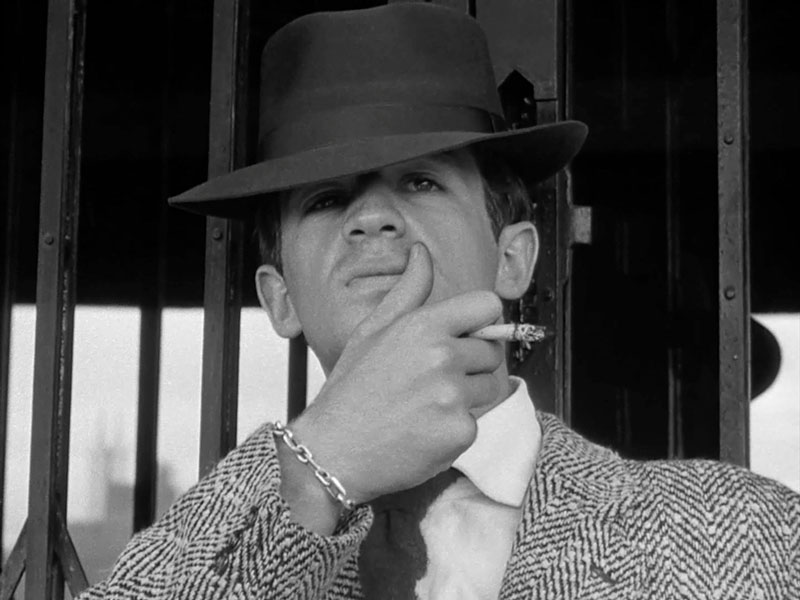
Breathless (1960)
This stylistic choice became a hallmark of the movement. Today, jump cuts are often used in music videos or vlogs. They can convey a rapid passage of time or a specific, energetic mood. However, a filmmaker must first understand the rule. Only then can they break it effectively and with clear artistic purpose.
« Back to Glossary Index