Anamorphic Lenses
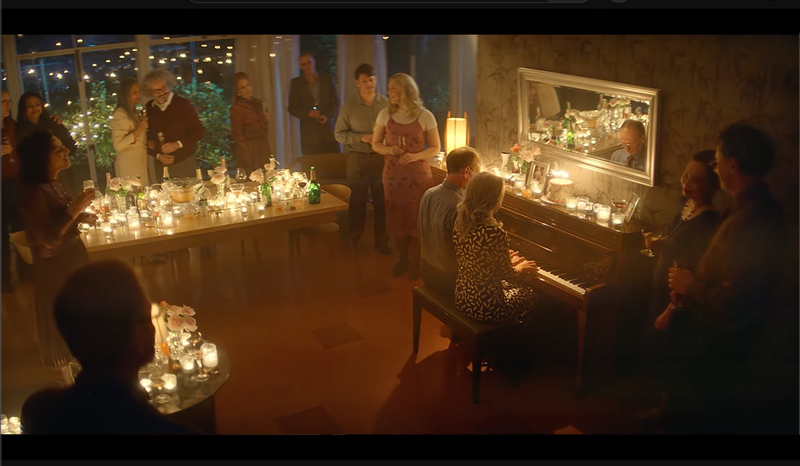
Anamorphic lenses are a special category of lens. Cinematographers use them to capture a wider field of view than a standard, or “spherical,” lens. Their original purpose was technical. They were created to fit a widescreen image onto a standard, narrower film frame. However, filmmakers quickly embraced the unique visual artifacts these lenses produce. Today, cinematographers choose anamorphic lenses for their distinct and desirable aesthetic.
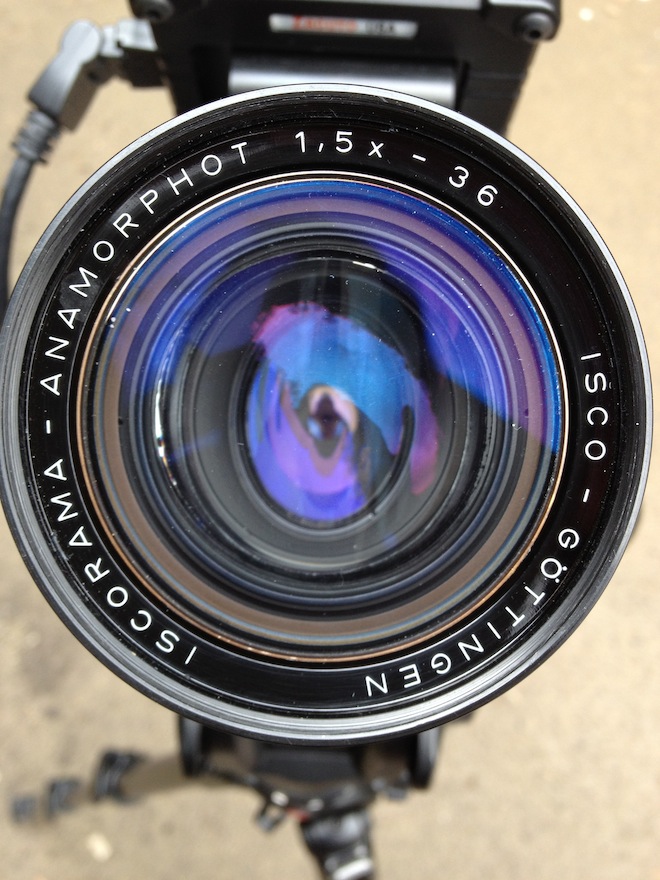
The Anamorphic Process: Squeeze and De-Squeeze
Anamorphic lenses work by intentionally distorting an image. A special cylindrical lens element inside the lens captures a very wide image. It then optically compresses, or “squeezes,” this image horizontally. The image is recorded onto the film or digital sensor in this squished, distorted state. It appears tall and unnaturally skinny. This process uses the full height of the film frame or sensor.
Later, during projection or post-production, a reverse process occurs. A corresponding lens (or a digital algorithm) “de-squeezes” the image. This restores the picture to its original, ultra-wide proportions. This clever two-part process was a brilliant solution. It allowed studios to deliver an epic widescreen experience using standard, cost-effective 35mm film.
A Brief History: Competing with Television
The anamorphic format rose to fame in the 1950s. Movie studios were competing with the new popularity of television. They needed to offer audiences a spectacular experience they could not get at home. In 1953, 20th Century Fox branded this technology and released The Robe. They called their process CinemaScope. It was a massive success. Other companies quickly followed with their own formats, like Panavision and Technovision.
The Anamorphic Look
The optical process of squeezing and de-squeezing is not perfect. It creates several unique visual characteristics. These “flaws” are now highly sought-after by filmmakers. They are a key part of the “cinematic” look.
| Horizontal Lens Flares | When a bright light hits the lens, it creates distinctive long, horizontal streaks of blue or amber light. |
| Oval Bokeh | Out-of-focus points of light, known as bokeh, appear as vertical ovals instead of traditional circles. |
| Shallow Depth of Field | Anamorphic lenses often produce a shallower depth of field. This can help to separate a subject from their background in a beautiful, painterly way. |
| Unique Distortion | The lenses can create subtle distortions and a “breathing” effect when the focus changes. These qualities add a unique character to the image. |
Today, even with digital sensors that can be any shape, cinematographers still seek out anamorphic lenses. They use them to achieve this classic, epic, and visually rich style of filmmaking.
« Back to Glossary Index