Accompaniment
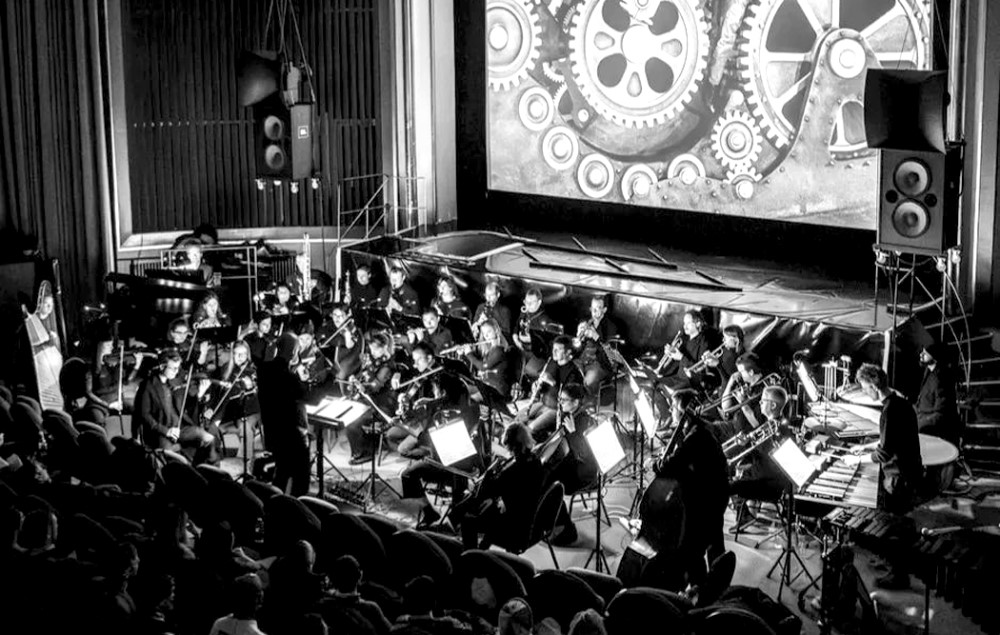
An accompaniment is the live music and/or sound effects performed during the projection of a silent film. Contrary to their name, silent films were almost never shown in complete silence. The live accompaniment was an essential part of the cinematic experience. It provided the emotional and auditory dimension of the story. The practice ranged from a single musician to a full orchestra. This depended on the size and prestige of the movie theater. This live element made every screening a unique performance.
The Role of Sound in Silent Cinema
Live accompaniment served several crucial functions. First and foremost, it provided emotional cues for the audience. Music could signal danger, romance, or comedy. This helped the audience connect with the characters and the narrative. The accompaniment also created a specific mood and atmosphere for the film. A sweeping score could make a scene feel epic. A single, melancholic piano melody could make it feel intimate. Furthermore, on a practical level, the music helped to cover the loud, distracting noise of early film projectors. The sound filled the auditorium. It masked the mechanical clatter and immersed the audience in the world on screen.
Types of Accompaniment
The form of accompaniment varied greatly from one theater to another.
| Pianists and Organists | In small, local theaters, a single musician was the most common form of accompaniment. A pianist or a theater organist would improvise a score. They would watch the film and play music that matched the on-screen action. |
| Ensembles and Orchestras | Larger “picture palaces” in major cities employed small ensembles or even full symphony orchestras. These musicians would play from a composed or compiled score. This provided a much richer and more powerful musical experience. |
| Sound Effects | Many theaters had a sound effects artist, known as a “trapper.” This person would use a variety of contraptions to create live sound effects. They would produce sounds like doorbells, thunder, or horse hoofs in sync with the film. |
| Narration | In some cases, a live narrator would accompany the film. They might read the intertitles aloud or provide additional commentary. In Japan, this practice evolved into the art of the benshi. The benshi was a highly skilled live performer who interpreted the film for the audience. |
Cue Sheets and Scores
To help local musicians, film studios often provided a cue sheet with their films. A cue sheet was a list of musical suggestions. It would break the film down scene by scene. It suggested what type of music to play for each part. For example, it might say “Play a fast, agitated theme during the chase scene.” This helped to standardize the musical mood across different theaters. For major blockbuster films, studios would sometimes commission an original score. They would then send this full score out with the film prints for orchestras to perform.
The End of an Era
The era of live accompaniment came to an end in the late 1920s. The invention of sound-on-film technology, or “talkies,” made it obsolete. Sound could now be synchronized directly with the image. However, the art of silent film accompaniment is not lost. Today, musicians and composers create new, original scores for restored silent films. These live performances keep the unique and magical experience of silent cinema alive for modern audiences.
« Back to Glossary Index