90-Degree Rule
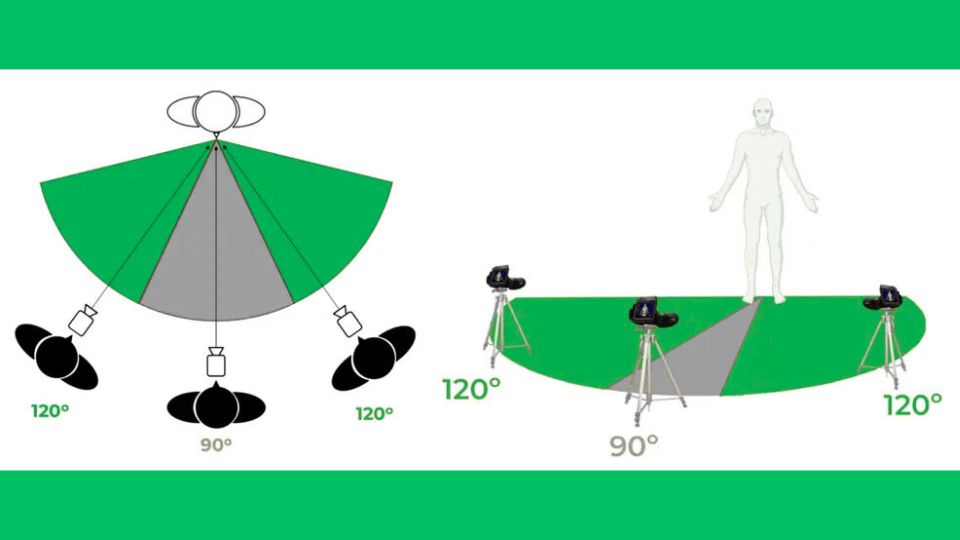
The 90-degree rule is a fundamental guideline in cinematography and photography. It advises filmmakers to avoid placing the camera directly perpendicular (at a 90-degree angle) to a subject’s eyeline. Instead of a flat, head-on shot, the rule encourages a slight shift in camera position. The camera should move off-center from the subject. This simple adjustment creates a greater illusion of depth and dimension. It results in a more engaging and visually pleasing image. This principle is especially important in portraiture and interview setups.
The Problem with a Direct 90-Degree Angle
Shooting a subject from a direct 90-degree angle often produces a flat, two-dimensional image. This type of shot can resemble a passport photo or a police mugshot. It lacks visual depth and can feel confrontational or sterile. When the camera faces a subject head-on, light tends to fall evenly across their features. This minimizes natural shadows. Without these shadows, the brain has fewer cues to perceive the subject’s shape and form. The resulting image can feel lifeless. It may draw attention to the artifice of the camera. This can pull the audience out of the narrative.
Creating Depth and Dimension
The 90-degree rule offers a simple solution to this problem. A filmmaker can create a more compelling image by simply moving the camera. Shifting the camera even a few degrees to the left or right of the subject’s eyeline makes a significant difference. This new angle instantly creates more depth. One side of the subject’s face is now closer to the camera than the other. This subtle change in perspective allows lighting to create “modeling.” Shadows and highlights now define the natural contours of the face. The subject appears more three-dimensional. They feel more present and alive within the frame.
Application in Interviews and Dialogue Scenes
This rule is crucial when filming interviews. An interviewer will often place the camera slightly to their side. The subject then looks just off-camera while speaking. This creates a natural and engaging conversation for the viewer. It feels less like an interrogation. Similarly, in a dialogue scene, filmmakers use over-the-shoulder shots. These shots naturally adhere to the 90-degree rule’s principle. They place the viewer within the conversation. The angle provides depth and a clear sense of space between the characters.
Breaking the Rule for Stylistic Effect
Like all cinematic rules, filmmakers can break the 90-degree rule for a specific purpose. Some directors intentionally use flat, symmetrical, and direct-to-camera angles. Wes Anderson is famous for this stylistic choice. His direct framing creates a unique, theatrical, and sometimes comedic effect. Other filmmakers might use a direct 90-degree angle to make the audience feel uncomfortable. This can create a sense of confrontation or psychological distress. However, a filmmaker must first understand the rule’s purpose. They can then break it intentionally and effectively. Following the 90-degree rule is the standard for creating natural depth. Breaking it is a deliberate stylistic choice.
« Back to Glossary Index