1-1-4″ Aluminum Piping (Speed Rail)
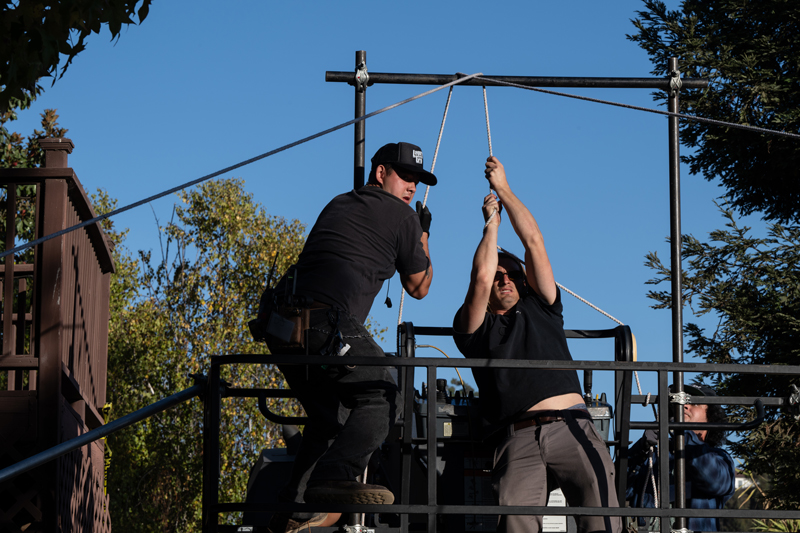
1 1/4″ Aluminum Piping is a foundational tool in film production rigging. It is more commonly known by its industry nickname: speed rail or speed-rail. This versatile piping is a hollow, high-strength aluminum tube. It primarily comes in two standard nominal pipe sizes. These are 1 1/4-inch and 1 1/2-inch diameters. On set, speed rail acts as a modular building block. Grips use it to construct a vast array of custom support systems. A well-stocked grip truck will carry many lengths of speed rail. These can range from short 6-inch pieces up to long 20-foot sections.
The Grip’s Essential Building Block
Speed rail is one of the most indispensable tools for a grip. Its primary advantage is its excellent strength-to-weight ratio. The aluminum construction makes it light enough for easy transport and assembly. However, it is also strong enough to support heavy and expensive equipment. This includes lights, flags, and even cinema cameras. Grips use a wide variety of specialized clamps and fittings to join sections of pipe. These fittings allow them to build robust, custom structures quickly and safely. This modularity makes speed rail incredibly versatile.
Common Applications on Set
The uses for speed-rail on a film set are nearly limitless. Its applications range from simple supports to complex rigging structures.
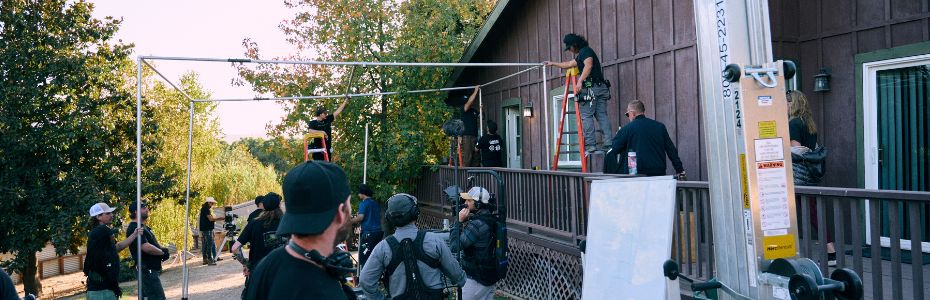
- Lighting Rigs: Grips often build “goalposts” or overhead grids from speed-rail. These structures allow them to position lights or modifiers exactly where needed. This is especially useful on location where no pre-existing rigging points exist.
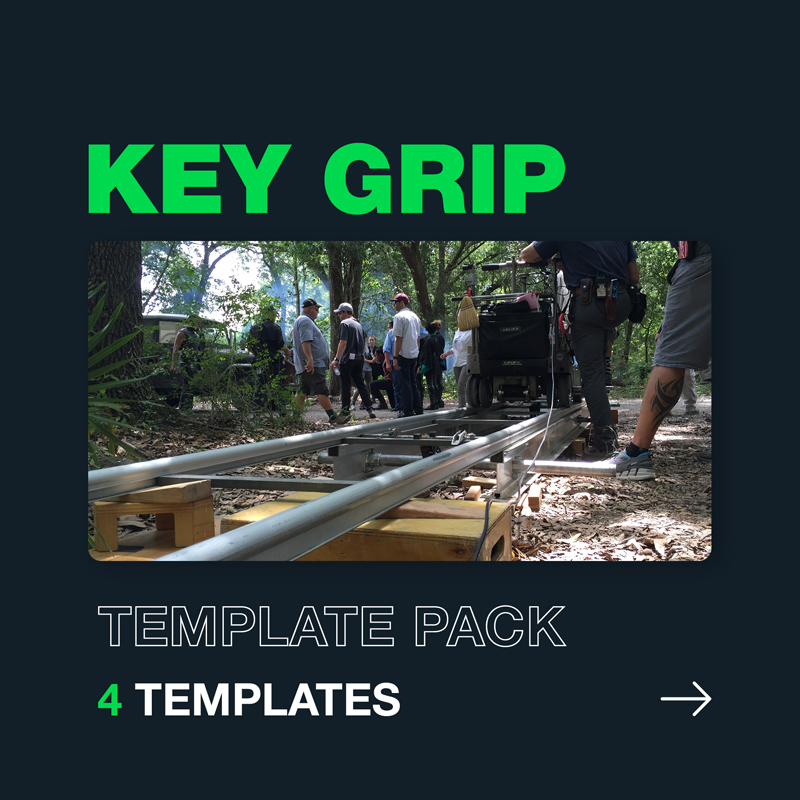
- Camera Support: Speed-rail is essential for building custom camera mounts. This is particularly true for vehicle rigging. Grips construct complex car mounts from speed-rail. These rigs safely attach cameras to moving vehicles for dynamic shots. They can also create temporary dolly track for smooth camera movement.
- Overhead Frames: Large overhead frames for diffusion or light blocking are built with speed rail. Grips stretch large fabric “rags,” like a butterfly or an overhead, across these frames. This allows them to control and soften sunlight or large studio light sources.
- Safety and Set Construction: Crews can also use speed rail to build safety railings. They might also construct temporary set walls or other background support structures.
Choosing the Right Pipe
Grips must choose the correct type of speed rail for each job. The two common diameters (1 1/4″ and 1 1/2″) have different load-bearing capabilities. The larger 1 1/2-inch pipe is stronger and used for heavier loads. The pipe’s wall thickness, known as its “schedule,” is also a critical factor. Schedule 40 is the standard, common-use pipe. For rigs requiring maximum strength and safety, grips use Schedule 80 pipe. This type has a thicker wall. It can support significantly more weight without bending or failing. Safety is always the top priority in any rigging scenario. Therefore, choosing the appropriate pipe is a crucial responsibility for the grip department.