AI, Fair Use & Clearance: A Filmmaker’s Guide to Intellectual Property Law
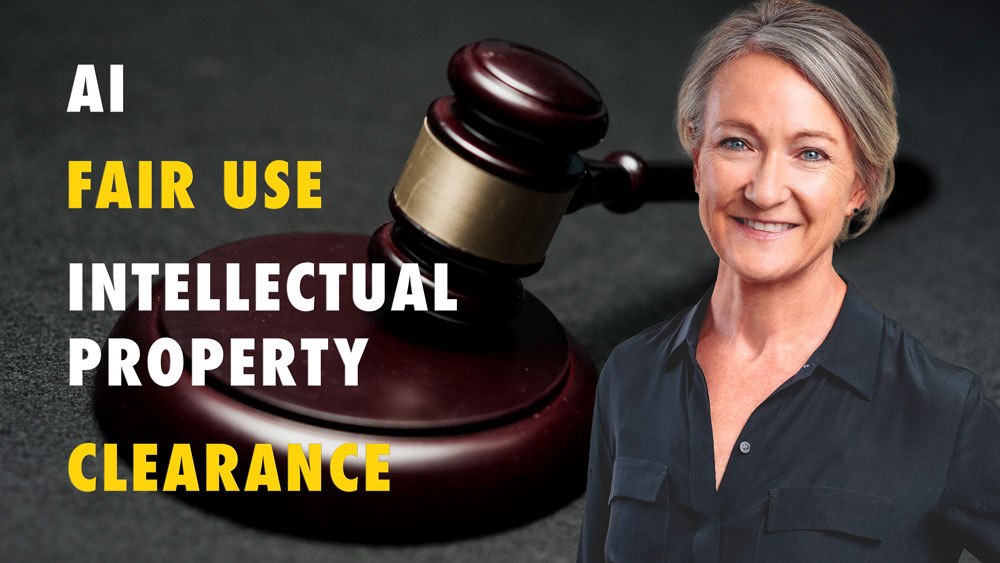
Intellectual Property Law. For many filmmakers, the term conjures images of confusing legal jargon, expensive lawyers, and the ever-present fear of a cease-and-desist letter. How can you use a real-world clip? Is that mural in the background of your shot a problem? What are the rules around AI and digital replicas? Navigating the legal landscape of filmmaking can feel like a minefield.
To demystify these crucial topics, the Finding the Frame Podcast hosts one of the industry’s leading experts, Dale Nelson. As the former Vice President of Intellectual Property at Warner Bros., Dale managed the legal complexities of massive franchises like Harry Potter and DC Comics. Now a partner at Donaldson Calif Perez, she guides independent filmmakers through these very issues.
This article breaks down the essential takeaways from Dale’s interview on IP, providing a clear guide to understanding copyright, Fair Use, clearance, and the new frontier of AI in filmmaking.
(This article covers the key highlights. To hear all of Dale Nelson’s invaluable insights and stories, listen to the full, in-depth conversation on the Finding the Frame Podcast!)
This episode is proudly lit exclusively by Nanlux-Nanlite Lights and sponsored by B&H and Hollyland.
MORE INTERVIEWS WITH CINEMATOGRAPHERS:
|
Protecting a Universe: Copyright vs. Trademark
Managing a global franchise like Harry Potter requires a multi-layered approach to IP protection. Dale explains the two primary tools at a studio’s disposal: copyright and trademark.
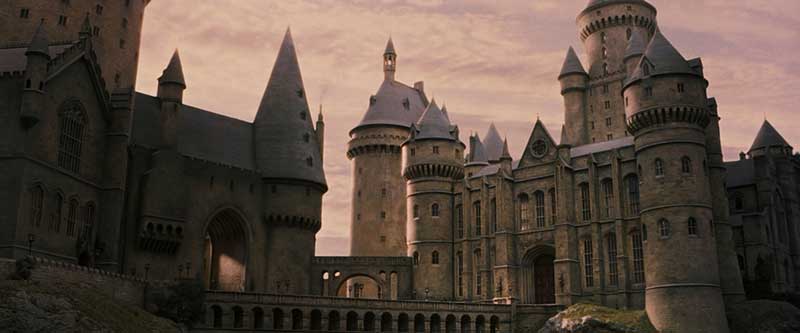
Harry Potter and the Sorcerer’s Stone (2001) | Warner Bros.
Copyright protects the creative expression itself—the text of the books, the visual design of Hogwarts Castle in the films, the musical score. It’s about the art.
Trademark, on the other hand, protects brand identifiers used in commerce. The name “Hogwarts,” the house names like “Gryffindor,” and specific logos are all trademarked. This prevents others from selling unofficial merchandise like scarves or banners that could confuse consumers and dilute the official brand.
Dale notes that studios must constantly balance protecting their commercial interests against a thriving fan base. While they actively combat commercial piracy, there is often a level of tolerance for non-commercial fan creations like short films or fan art, recognizing it as genuine enthusiasm for the property.
The Nuances of Fair Use: Parody, Commentary & Transformation
One of the most powerful—and often misunderstood—concepts for filmmakers is Fair Use. It’s a legal doctrine that allows you to use copyrighted material without permission under certain circumstances.
Parody as Fair Use
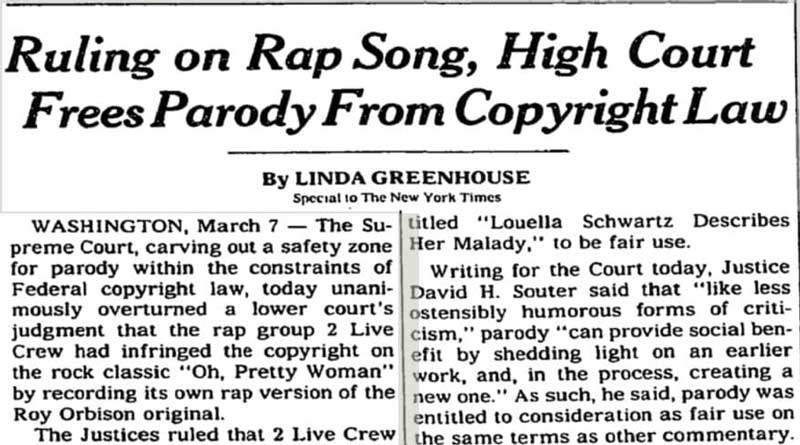
A parody is a classic example. Dale cites the landmark Supreme Court case involving 2 Live Crew’s rap version of Roy Orbison’s song “Oh, Pretty Woman.” The court ruled it was a parody—and therefore a Fair Use—because it was commenting on and critiquing the naivete of the original song. This is the key: a parody must comment on the underlying work itself to be protected. Simply changing “Harry Potter” to “Barry Trotter” isn’t enough if you aren’t commenting on the world of Harry Potter.
Transformative Use and the Warhol Case
Beyond parody, the core of most Fair Use arguments is “transformativeness”—using the original work to create something new, with a new meaning or message. Dale breaks down the recent Supreme Court case Warhol v. Goldsmith, which involved an Andy Warhol portrait of the musician Prince based on a photograph by Lynn Goldsmith.
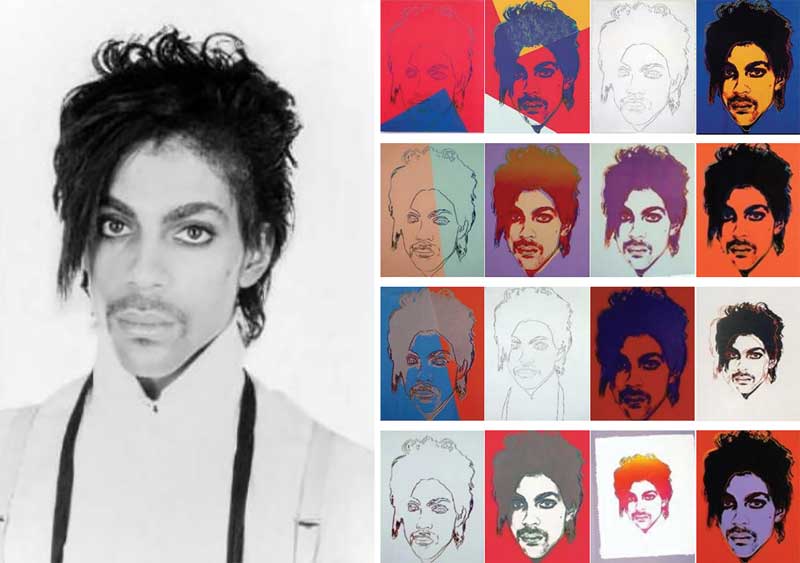
Andy Warhol used Lynn Goldsmith’s photo in art
The court focused on the purpose of Warhol’s image when it was used by a magazine. Since Goldsmith’s original photo was also licensed for magazine use, the Supreme Court found that Warhol’s work, in that specific commercial context, was not transformative; it was serving the same market purpose as the original. This case, Dale notes, is highly specific to its facts and has not fundamentally changed how Fair Use applies to most documentary and narrative film contexts, where a film clip is used for commentary or criticism, a very different purpose than its original entertainment function.
Fair Use in Practice: The Professional Workflow
So, how can you confidently use a clip from another film in your documentary or a real-world photo in your narrative film? Dale emphasizes that relying on Fair Use has become common practice, largely because productions can now get insurance for it. The professional workflow involves two key steps:
- Get an Opinion Letter: You must consult with an experienced IP lawyer (like Dale). They will review your project and every instance of unlicensed material, providing feedback on what qualifies as Fair Use and what might need to be licensed or removed.
- Obtain E&O Insurance: With a favorable opinion letter in hand, you can obtain Errors & Omissions (E&O) insurance that specifically includes a “Fair Use endorsement.” This protects your production from potential legal claims and is essential for securing a distribution deal.
On-Set Minefields: Common Clearance Issues to Avoid
Many distribution deals are delayed or jeopardized by clearance issues that were overlooked during production. Dale highlights the most common culprits:
Background Artwork |
A distinctive painting or poster in the background can be a major issue, especially if the shot lingers on it or uses it for its artistic beauty. Mass-produced, generic art is less risky, but unique pieces require clearance. |
Murals |
Filmmakers often love using vibrant street murals as backdrops. This is a significant problem, as it uses the mural for its original artistic purpose and requires permission from the muralist. |
Tattoos |
A distinctive tattoo on an extra is a copyrighted work of art. While there is an argument for “implied consent” (the person chose to display the art on their body), it remains a gray area. Productions often opt to cover prominent tattoos to avoid any potential issues with the tattoo artist. |
Protecting People: Right of Publicity & Digital Replicas
Separate from copyright is the Right of Publicity, which protects a person’s name, likeness, and voice from being used for unauthorized commercial purposes (like an advertisement).
However, this right has a crucial exception: biographical works. Dale explains that under the First Amendment, filmmakers have the right to tell stories about real people, living or deceased, without their permission. Requiring consent would amount to censorship. She cites the seminal case involving the film The Perfect Storm. In this case, the court affirmed that the biographical film was an expressive work, not a commercial one. Therefore, it was not a violation of the deceased fishermen’s publicity rights.
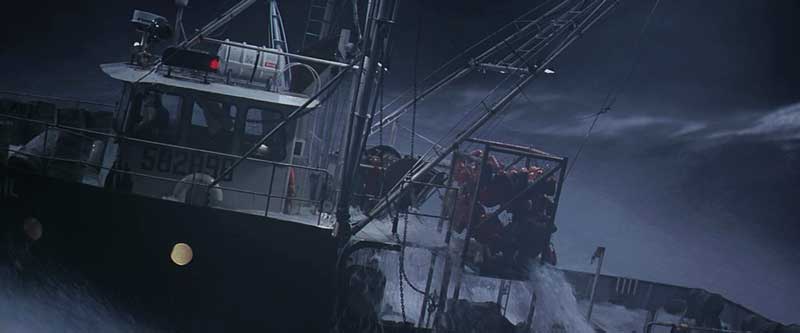
The Perfect Storm (2000) | Warner Bros.
This principle extends to Digital Replicas. The recent SAG-AFTRA agreement requires actor consent for their digital replicas to be used. However, it includes exceptions for expressive works like biographical films.
The New Frontier: AI, Deep Fakes, and the Law
The rise of AI presents a new and rapidly evolving set of legal and ethical challenges.
Deep Fakes vs. Digital Replicas
Dale distinguishes between “deep fakes,” which often have a negative connotation of malicious use (like non-consensual pornography), and “digital replicas,” the term more commonly used in entertainment.
AI and Copyright
A critical point for creators: the U.S. Copyright Office has affirmed that a work generated purely by AI is not copyrightable. This is because it lacks the necessary human authorship. The level of human input required to gain copyright (e.g., through prompting) is still a heavily debated topic.
Ethical Guidelines
Dale recommends filmmakers using AI, especially in documentaries, consult the guidelines from organizations like the Archival Producers Alliance (APA). These guides stress the importance of historical accuracy, transparency with the audience about AI use, and understanding that AI scrapes from the existing internet, which may not represent the full, undigitized historical record.
The Bottom Line: Protect Your Vision
Navigating intellectual property is a fundamental part of professional filmmaking. Understanding the basics of copyright, trademark, Fair Use, and clearance is essential for protecting your project and ensuring it can reach an audience. As technology like AI continues to evolve, staying informed and seeking expert legal guidance isn’t just a good idea—it’s a necessity.
To hear Dale Nelson’s full, in-depth discussion, including more anecdotes from her time at Warner Bros. and further details on these complex topics, listen to the complete episode of the Finding the Frame Podcast on the Filmmakers Academy platform!
JOIN FILMMAKERS ACADEMY AND SAVE $50!
Ready to take your filmmaking skills to the next level? Join the Filmmakers Academy community and gain access to exclusive content, expert mentorship, and a network of passionate filmmakers. Use code FABLOG50 to save $50 on your annual membership!
This episode is proudly lit exclusively by Nanlux-Nanlite Lights and sponsored by B&H and Hollyland.


