Struggling with Your Lav Mic Sound? (How to Fix It?)
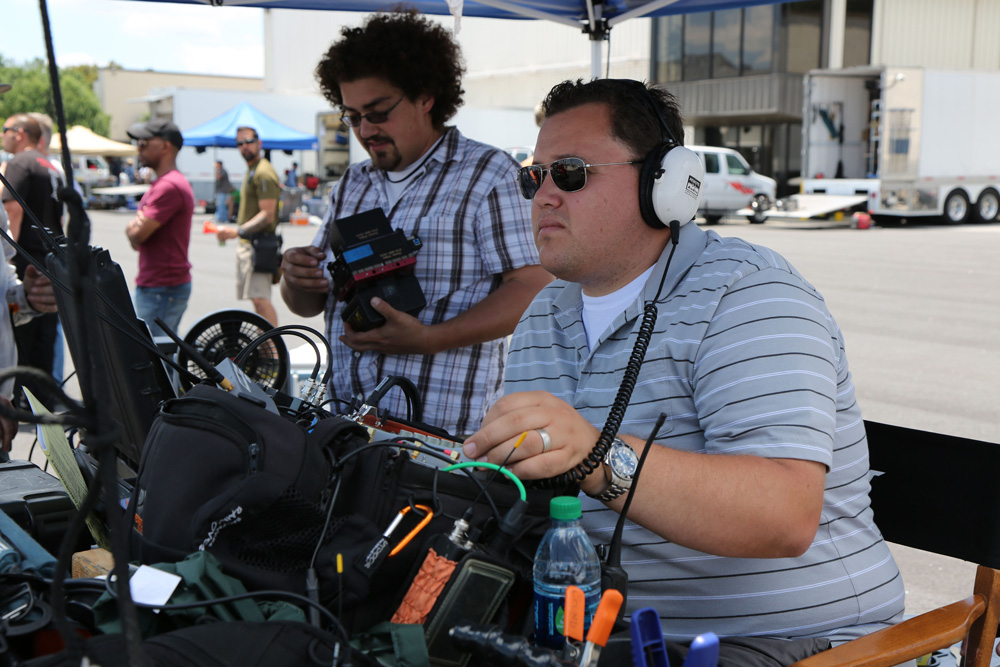
I’ll never forget the sinking feeling in the pit of my stomach. We were in the edit bay, looking at a beautifully lit, perfectly performed take from an indie short I shot years ago. The shot was magic. The audio? A complete disaster. A barely audible whisper followed by a distorted, clipped shout, all layered with the incessant rustle of a poorly placed microphone. The take was unusable. And the reality is we’ve all been there. It’s a hard lesson every filmmaker learns.
WHAT IS A LAV MIC?
| A lavalier microphone, commonly known as a lav mic or lapel mic, is a small, discreet microphone designed to be clipped onto a person’s clothing. Its primary purpose is to capture clear and consistent audio of their voice by being placed close to the source.
Because it moves with the person, it ensures the sound level remains steady, making it an essential tool for interviews, live presentations, theater, and filmmaking where hands-free operation and clear dialogue are crucial. |
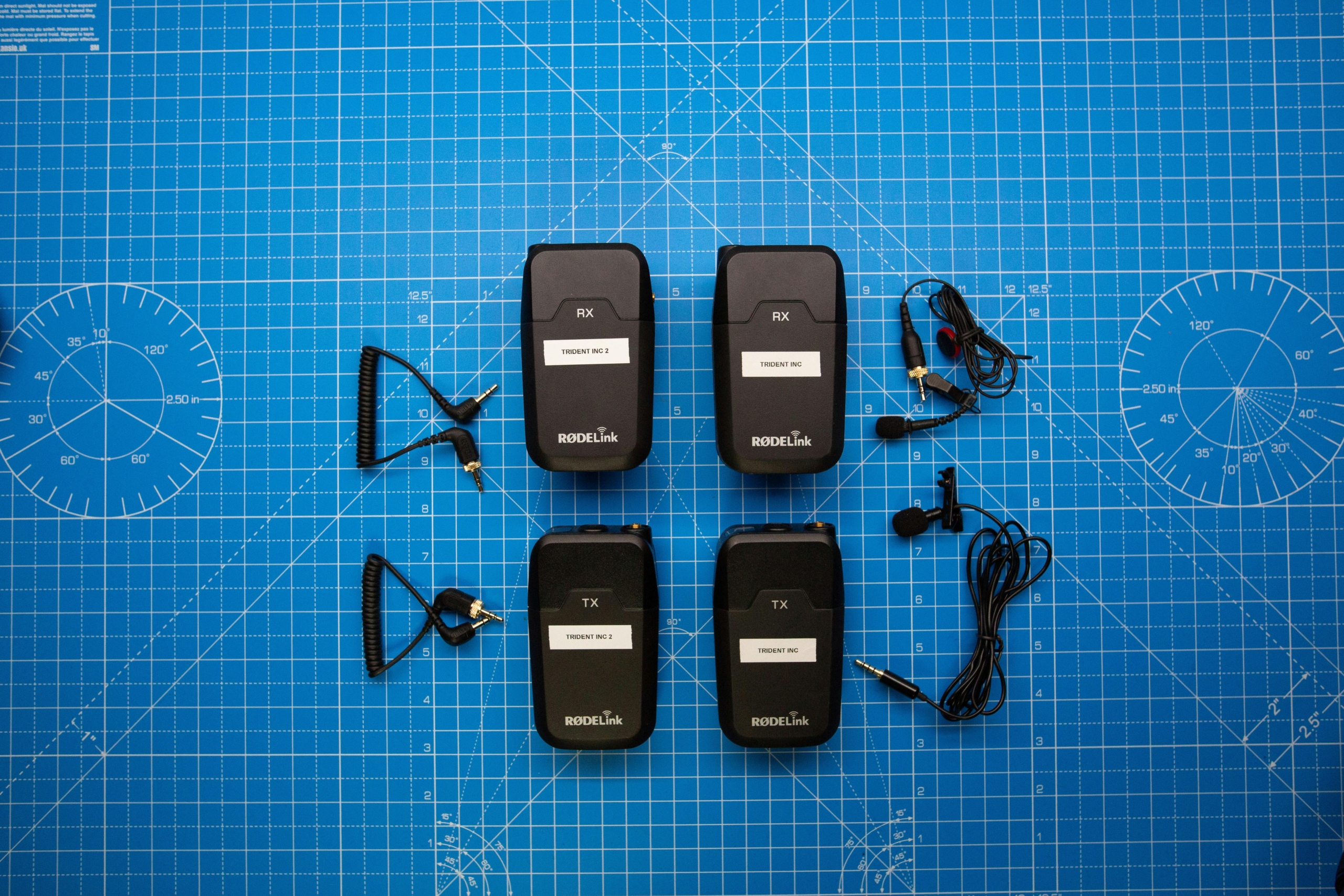
Photo by Looking for Feferences
Lavalier microphones are incredible tools. They get the mic close to the talent, offering intimacy and clarity that a boom can’t always achieve. But they are deceptively tricky.
Over the years, I’ve made just about every mistake you can make with a lav mic. This article is about the hard-won lessons learned from those mistakes and how a new generation of tools is finally solving the problems that have plagued us for decades.
THE CARDINAL SIN: BAD LAV PLACEMENT
The first and most common mistake is improper placement. You can’t just clip it on and hope for the best. The goal is to get a clean, natural sound, free from interference. This means avoiding the “big three” placement problems.
Placing a mic where fabric can rub against it is a recipe for disaster. You need to create a small, protected space for the mic, using techniques like the “triangle” method with gaffer tape or specialized concealers.
Hiding a mic under too many layers of thick clothing will make your actor sound like they’re talking through a pillow. The mic needs a clear path to the actor’s mouth.
Placing the mic too far to one side of the chest will result in an unnatural, off-axis sound that changes as the actor turns their head. The sternum is your sweet spot. |
This is where modern design really helps. For years, lav transmitters were bulky, and the mics themselves were cumbersome to hide. But new systems are changing that. Take the Hollyland Lark Max 2, for example.
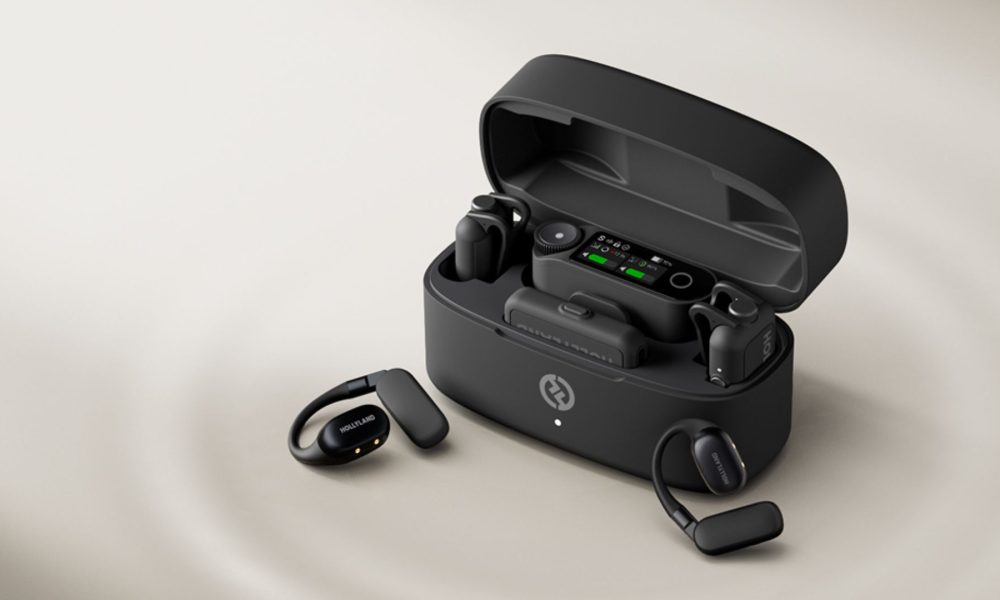
Hollyland Lark Max 2
The transmitter itself is a tiny, 14g microphone with a novel hover-clip and magnet system. This makes it incredibly easy to place discreetly and securely without complex rigging, minimizing clothing contact and the associated rustle right from the start.
LAVALIERE CLIPPING, DISTORTION & BAD LEVELS
The second terror is discovering your audio is digitally distorted or “clipped” in post. This happens when the audio signal is too loud for the recorder to handle, resulting in a harsh, irreparable sound. Setting the gain (the input level) is a delicate balancing act, especially with dynamic performances that go from a whisper to a shout.
For decades, the solution was to record a “safety track” at a lower volume and hope for the best. But the real game-changer is 32-bit float recording. Think of it as the RAW video of the audio world. It captures such a massive dynamic range that it’s virtually impossible to clip. If the audio is too loud, you can simply lower the volume in post without any distortion.
This is a feature that used to be reserved for expensive, dedicated audio recorders. Now, systems like the Lark Max 2 have it built directly into the transmitter. It offers 32-bit float internal recording, serving as a bulletproof safety net. Even more revolutionary, it boasts the first 32-bit full-chain audio transmission, meaning you can capture that unclippable audio directly into your camera in real-time. For those who prefer a more straightforward approach, the system also has an intelligent Automatic Gain Control (AGC) that prevents clipping automatically, ensuring your audio remains balanced and stable.
LAV MIC INTERFERENCE & LOST FILES
What’s worse than bad audio? No audio. This can happen due to wireless dropouts from RF interference or the cardinal sin of a crew member forgetting to hit record on the main audio device.

Photo courtesy of Hollyland
The solution here is twofold. First, you need a reliable wireless system. The Lark Max 2 uses 2.4 GHz frequency hopping technology to automatically find and switch to clean channels, ensuring a stable signal up to an impressive 1,115 feet.
Second, you need a backup. The Lark Max 2 transmitters have 8GB of internal storage, providing up to 14 hours of backup recording. This means that even if there’s interference or the main recorder fails, you have a pristine copy of the audio saved directly on the transmitter. It’s an absolute lifesaver.
THE MONITORING PROBLEM: “ARE WE GOOD ON SOUND?”
Traditionally, monitoring audio on set can be awkward. The sound mixer is tethered to their bag, and the camera operator is often deaf to the audio being recorded, trusting that everything is okay. Plugging headphones into the camera restricts movement and can be impractical.

Photo courtesy of Hollyland
This is where the Lark Max 2 introduces something truly revolutionary for camera operators: wireless audio monitoring. The receiver can transmit the camera’s audio feed directly to a set of comfortable, open-ear OWS (Open Wearable Stereo) earphones. This is an incredible feature. It empowers the camera operator to move freely around the set while hearing the exact audio being captured, ensuring there are no surprises in post. You stay immersed in your surroundings while being fully aware of the audio quality.
THE NOISE NIGHTMARE & THE SYNCING STRUGGLE
“We’ll fix it in post” is one of the most dangerous phrases in filmmaking, especially when it comes to background noise. While post-production tools are powerful, getting clean audio on set is always the priority.

Photo courtesy of Hollyland
This is another area where the Lark Max 2 tackles this obstacle with built-in AI Noise Cancellation. This is an intelligent algorithm that separates speech from background noise, delivering clearer audio directly from the source. With stepless adjustment, you can dial in the perfect amount of noise reduction for your environment.
Furthermore, the tedious process of syncing multiple audio and video sources is simplified with the Lark Max 2’s built-in frame-level timecode system. This ensures that the camera footage and the internal audio recordings are perfectly aligned, saving countless hours of frustration in post-production.
THE BOTTOM LINE: A MODERN WORKFLOW FOR A CLASSIC PROBLEM
Recording clean, reliable lavalier audio has always been a challenge, requiring a combination of technical skill, on-set experience, and a bit of luck. The core principles of good mic placement remain essential. However, modern systems like the Hollyland Lark Max 2 are elegantly solving the technical pain points that have plagued filmmakers for decades.
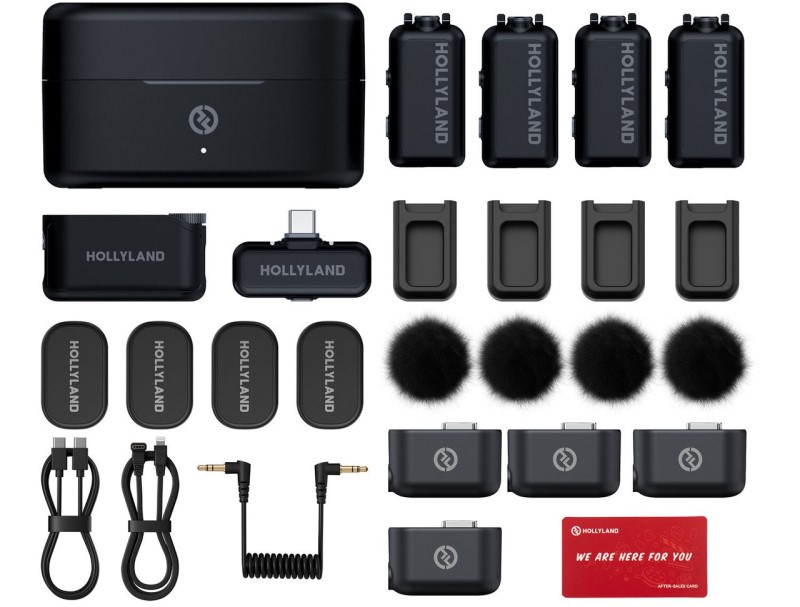
Hollyland Lark Max 2
With features like 32-bit float recording, internal backups, wireless monitoring, AI noise cancellation, and built-in timecode, the margin for error is drastically reduced. These tools don’t replace skill, but they provide an incredible safety net, freeing you up from technical anxiety so you can focus on what really matters: capturing the performance.
WHY HOLLYLAND?
In today’s film industry, a seamless wireless workflow is a necessity for clear communication, pristine audio, and reliable video monitoring. And we need it now more than ever before. Hollyland has emerged as a true game-changer by making professional wireless integration accessible to filmmakers of all levels.
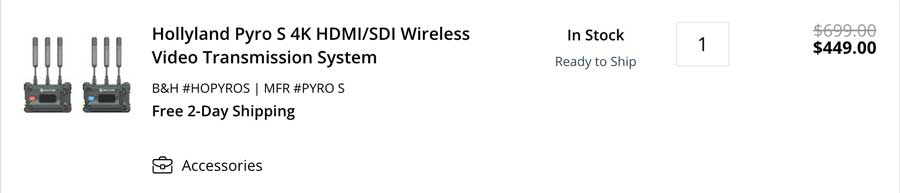
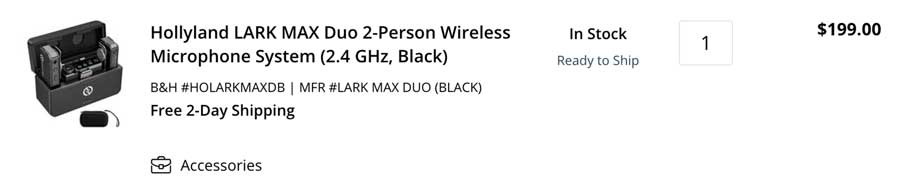
They’ve built a reputation by directly addressing common on-set frustrations: for crystal-clear crew communication, there’s the Solidcom C1 Pro intercom; for capturing clean dialogue, the Lark Max microphone system offers exceptional quality; and for stable, low-latency video feeds, the 4K Pyro transmission system provides a dependable solution.
What makes Hollyland’s approach so impactful is its focus on value and reliability. Their products are engineered to be user-friendly, durable, and, most importantly, affordable. By investing in quality wireless gear that just works, filmmakers can dramatically improve their on-set efficiency, reduce setup times, and ultimately elevate the quality of their productions. Hollyland has become an indispensable part of the modern filmmaker’s toolkit, proving that a professional wireless workflow is no longer out of reach.
Other Hollyland Gear Articles:
- Cosmo C2: Best Budget Wireless System
- Lark M2S: Ultra-Compact Wireless Microphone
- Hollyland Solidcom Releases
- Hollyland VenusLiv V2: Democratizing Live Streaming
- Pyro 7: Next Gen On-Set Collaboration
TAKE A LOOK AT OUR OTHER FAVORITE HOLLYLAND GEAR!
 |
 |
 |
 |