Pan and Scan
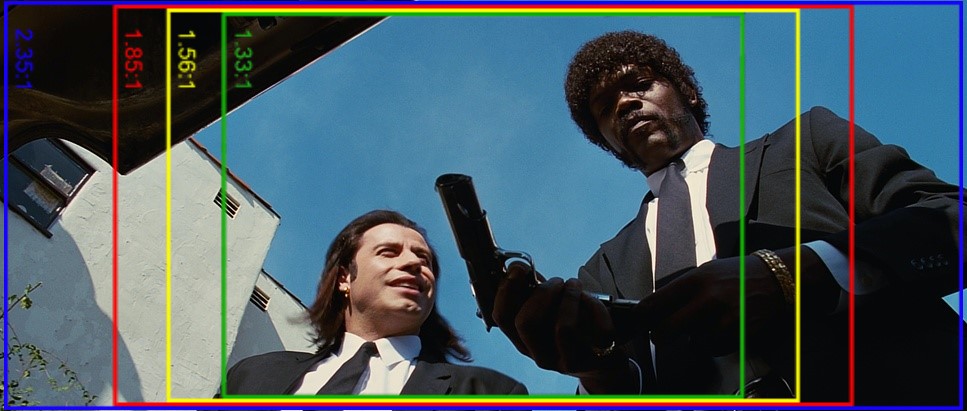
Pan and Scan is a technical transfer method. It adapts widescreen films for narrower screens. Technicians typically adjusted the widescreen image’s height. This matched the narrower replay screen’s height. The process then crops parts of the original image. These parts do not fit the narrower display. Essentially, much of the original picture is cut off. This method aimed to fill older, squarer television screens.
The Pan and Scan Process
An operator often made pan and scan decisions. They would select the most important screen area. This chosen area then filled the narrower frame. Sometimes, this required simulated camera movements. The operator “panned” a virtual camera across the original wide image. This movement kept key action or subjects within the new, cropped frame. If action shifted, the selected area moved too. Automated processes could also perform this reframing. The goal was always to follow the main subject or action. However, it was invariably a reinterpretation of the original framing.
Historical Use in Home Video
Pan and Scan became particularly common with home video. Videotapes (like VHS) and early DVDs often used it. Most older televisions had a 4:3 aspect ratio (a nearly square screen). Presenting widescreen films in their original format on these TVs required letterboxing. This meant black bars appeared at the top and bottom. Many viewers disliked these black bars. They preferred their TV screens completely filled with picture. Pan and Scan provided this full-screen viewing experience. Broadcasters also frequently used it for television airings of widescreen movies. It was a widespread practice for several decades.
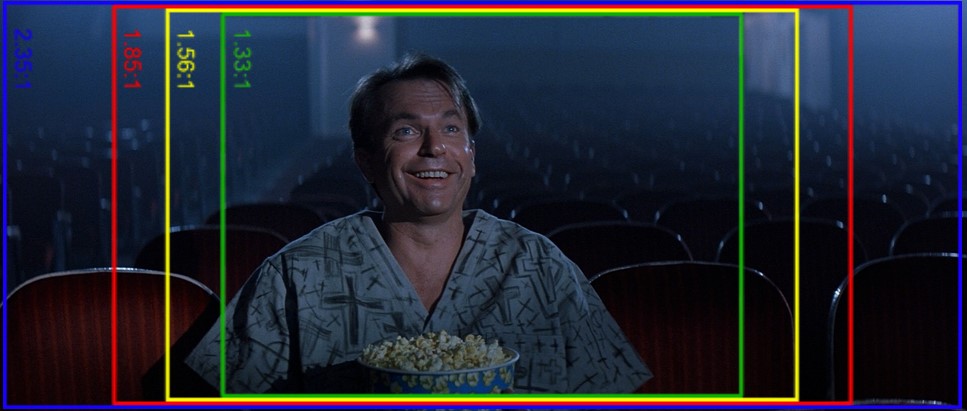
In the Mouth of Madness | 1995
Impact on Cinematic Composition
This method significantly impacts cinematic art and composition. Directors and cinematographers compose shots for the widescreen frame. They carefully arrange visual elements, characters, and space within it. Pan and Scan fundamentally alters this original composition. It can inadvertently crop out vital characters from a scene. Important background details or subtle visual cues might disappear entirely. The original framing’s balance and symmetry are often lost. Visual relationships between elements can be destroyed or misunderstood. Consequently, the director’s intended visual narrative and artistic impact often suffer. Many filmmakers strongly disliked this process. It compromised their carefully crafted vision.
Advantages and Disadvantages
The main perceived advantage of Pan and Scan was a full-screen image. Viewers with 4:3 televisions saw no black bars. The picture occupied their entire television display. This was the primary appeal for many consumers at the time.
However, the disadvantages are very significant. The film’s original aspect ratio is completely lost. Viewers miss large portions of the original image. Sometimes up to 50% of the picture information vanished. This practice fundamentally sacrifices the director’s original framing choices. The artistic integrity and intended impact of the film diminish greatly as a result.
Alternatives to Pan and Scan
Letterboxing offers a key alternative method for format transfer. Letterboxing preserves the film’s original widescreen aspect ratio. It displays black bars at the top and bottom of the narrower screen. This technique keeps the full image compositionally intact. No part of the original picture gets cut off. Viewers can see the film as the director and cinematographer intended. Another approach sometimes used was “open matte.” If a film was shot exposing a larger negative area than the intended theatrical widescreen crop, this fuller frame could sometimes be shown on 4:3 screens. However, this also alters the director’s specific theatrical framing. Letterboxing remains the truest method for preserving the original visual intent on different screen shapes.
Decline in Modern Usage
The need for Pan and Scan has greatly decreased in recent years. Most modern televisions and display devices are widescreen. They typically feature a 16:9 aspect ratio. These displays naturally accommodate most widescreen films with minimal or no black bars. Viewers are now generally accustomed to letterboxing. Many even prefer seeing the original, unaltered composition. Preserving original aspect ratios is now standard industry practice. Streaming services and Blu-ray releases usually present films in their original formats. Thus, Pan and Scan is mostly a relic today. It largely represents past technical limitations and viewing preferences.
Conclusion: Respecting the Frame
Pan and Scan was a widespread technical compromise for older screen technologies. It successfully filled traditional TV screens but at a high artistic cost. It often distorted or diminished the filmmaker’s original visual storytelling. While once common, its use has rightly faded into history. Today, respecting a film’s original aspect ratio is paramount. This practice ensures viewers can experience films as their creators intended. It honors the deliberate and thoughtful art of cinematography.
« Back to Glossary Index