Letterbox Format

Letterboxing is a technical transfer method. It allows widescreen films to show on narrower screens. The process adjusts the widescreen image’s width. It shrinks the overall image to fit the replay screen. Crucially, letterboxing preserves the film’s original aspect ratio. This fidelity comes with a visible characteristic. Viewers see black bars at the screen’s top and bottom. These bars fill the otherwise unused screen space. The actual picture itself may appear smaller.
The Purpose: Preserving Artistic Vision
The primary goal of letterboxing is artistic preservation. Directors and cinematographers carefully compose their shots. They thoughtfully use the entire widescreen frame. Letterboxing ensures viewers see this complete, intended picture. Nothing from the original image gets arbitrarily cut off. This fundamentally respects the director’s original creative vision. It also honors the cinematographer’s meticulous work. Every visual element remains in its intended place. The film’s original spatial relationships are therefore maintained. This is vital for true cinematic appreciation and analysis.
How Letterboxing Works Simply
The letterboxing process works simply. It scales down the original widescreen image. Its width reduces to match the narrower display. The image’s height shrinks proportionally with its width. This action maintains the original aspect ratio. The scaled image consequently does not fill the entire screen vertically. This creates empty areas above and below the picture. These empty areas become the characteristic black bars. Thus, the process presents the full frame faithfully.
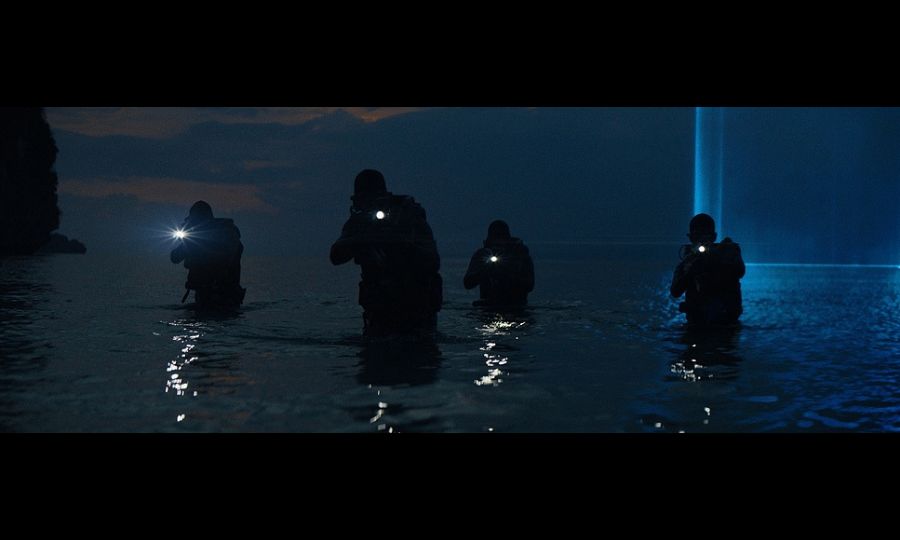
The Creator
Historical Context and Reception
Letterboxing gained prominence with early home video formats. Systems like VHS, LaserDisc, and DVD often used it. Most televisions during that era had a 4:3 aspect ratio. This screen shape is much closer to a square. Showing widescreen films on these 4:3 screens posed a significant challenge. Initially, some viewers disliked the appearance of black bars. They often felt the bars were distracting. Many preferred a screen completely full of picture. However, cinephiles and film enthusiasts quickly embraced letterboxing. They highly valued seeing the original, unaltered composition. Filmmakers also strongly advocated for this presentation method. Over time, broader understanding and acceptance of letterboxing grew.
Key Advantages and Perceived Drawbacks
Letterboxing offers one primary, crucial advantage. It faithfully preserves the film’s original aspect ratio. Viewers see the entire composed image exactly as intended. This fully respects the filmmaker’s artistic choices and efforts. No vital visual information is lost due to cropping. The main perceived drawback, particularly in the past, was the smaller picture area. On older 4:3 screens, the letterboxed image seemed noticeably reduced in size. The black bars also bothered some viewers initially. They felt it “wasted” available screen space. However, artistic integrity generally outweighs these concerns for most discerning viewers today.
Letterboxing on Modern Widescreen Displays
Today, most viewers own widescreen televisions or displays. These typically use a 16:9 aspect ratio. Despite this, letterboxing is still very relevant and common. Many films are shot in even wider formats. Common theatrical aspect ratios include 2.35:1, 2.39:1 (often referred to as anamorphic or Scope). When these wider films play on standard 16:9 screens, letterboxing still occurs. Black bars appear to accommodate the broader image. Most viewers now widely accept this as the standard. It ensures the best and most accurate viewing experience. The original cinematic scope of the film is effectively preserved.
Comparison with Pan and Scan
Pan and Scan is a well-known alternative transfer method. Unlike letterboxing, Pan and Scan actively crops the original image. It attempts to fill a narrower screen by cutting off the sides of the widescreen picture. This practice fundamentally alters the original composition. Important visual details, or even characters, are often lost. Letterboxing completely avoids this damaging compromise. It always prioritizes the artistic integrity of the original work. For this significant reason, filmmakers and cinephiles greatly prefer letterboxing. It ensures their vision, or the vision of the artists, remains intact.
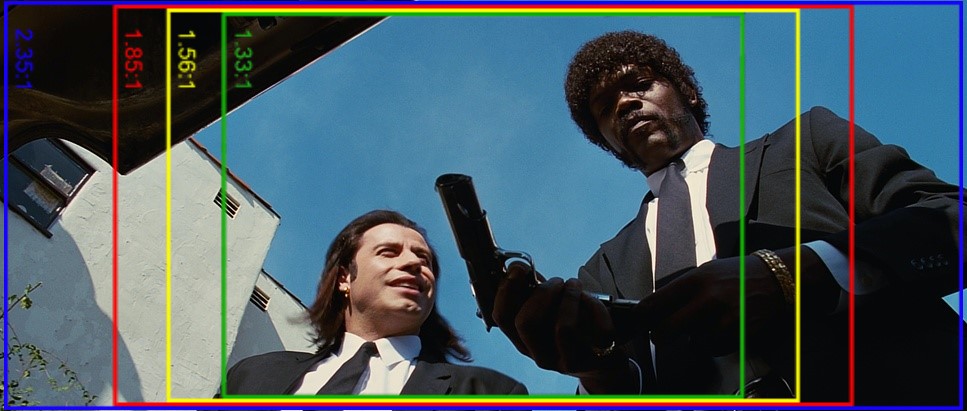
Pulp Fiction
Conclusion: The Value of Integrity
Letterboxing stands as the preferred method for film presentation. It ensures a faithful viewing experience on various screen dimensions, and consistently maintains the director’s original framing choices. It also deeply respects the cinematographer’s artistry and intent. While the black bars are its defining characteristic, their purpose is noble. They exist to allow the complete, untampered picture to be seen. For filmmakers and discerning viewers alike, letterboxing is essential. It champions and delivers the true, authentic cinematic experience.