Footage
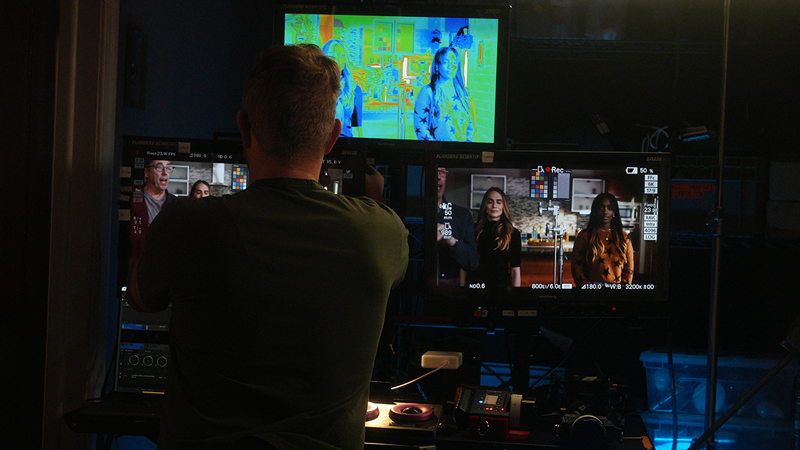
Footage originally meant the physical length of film. This film ran through a movie camera. It described a shot or series of shots. Filmmakers measured this length in feet. This historical basis gives the term its name. Today, its meaning has expanded significantly. Footage is the raw recorded material. It forms the foundation of any visual project.
In the Digital Era
The term now also applies to digital video. Modern cameras often record video files. These digital files are also called footage. So, “footage” no longer exclusively means physical film. It encompasses all captured motion picture data. This includes video from high-end cinema cameras. It also covers clips from smartphones or drones. The core concept remains the recorded moving image.
Common Types
Filmmakers encounter various footage types. Raw footage is the original, unedited recording. Cameras capture this material directly on set. It is the untouched source for post-production. Dailies, or rushes, are reviewed frequently. Production crews watch this footage during shooting. They check the previous day’s work for quality. This review helps assess creative and technical progress.
Other types serve specific needs. Archival footage comes from past events or periods. Documentaries often use this historical material. Stock footage is pre-recorded generic video. Creators license it for various projects. It can save production time and costs. B-roll provides supplemental or alternative shots. Editors use B-roll to add context. It can also enhance visual interest or cover edits. Each footage type plays a distinct role.

Role in Production
Regardless of type, footage is crucial. It forms the essential building blocks of a film. Principal photography is the main capture phase. The crew shoots the primary scenes then. The director guides this important process. After shooting, footage enters post-production. Editors carefully select the best takes. They skillfully assemble these shots into sequences. This assembly creates the film’s narrative flow. Colorists then grade and adjust colors for mood and visual consistency. Visual effects artists might add digital elements and integrate CGI or other effects seamlessly.
Management & Protection
Therefore, managing this footage is vital. Modern productions generate vast amounts of data. Assistants typically log the footage first. They note scene numbers, take details, and descriptions. This careful organization greatly speeds up editing. Editors need to find specific clips quickly. Secure backups are also absolutely essential. Data loss can severely impact or derail a project. Crews create multiple copies and store them in different safe locations. Proper footage management ensures a smooth workflow. It protects the valuable captured assets.
LEARN MORE!