Buzz Track
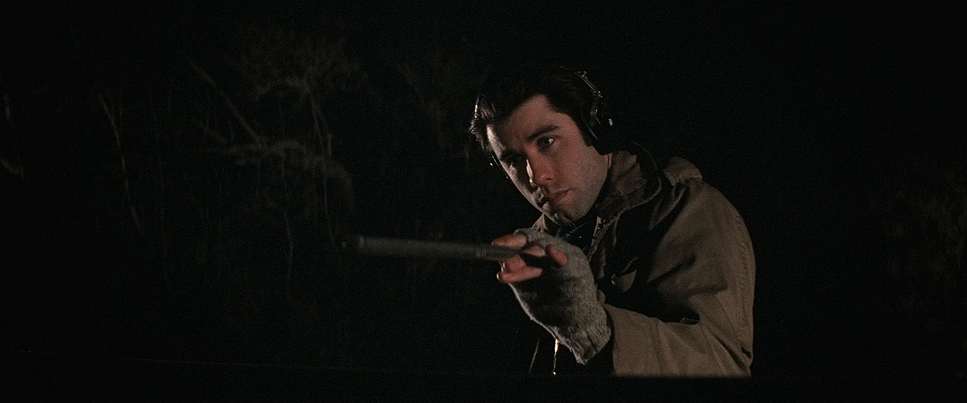
A buzz track is a common industry term for a location’s unique background sound. It is more commonly known as room tone or ambient sound. This is not pure silence. Instead, it is the distinct, low-level audio “fingerprint” of a space. This can include the hum of an air conditioner, the gentle sound of wind, or the distant rumble of traffic. Sound mixers record a buzz track on set. Sound editors then use it in post-production to create a smooth, seamless, and realistic-sounding film.
The Problem: Pure Silence is Unnatural
During filming, the sound mixer’s primary goal is to capture clean dialogue. However, their microphones also pick up the location’s background noise (the buzz track).
In post-production, an editor cuts together the best performances from many different takes. This process creates tiny, unnatural gaps of pure digital silence between the audio clips. When played back, these silent gaps are extremely jarring. The audience will hear the background noise suddenly appear with a line of dialogue, and then vanish a second later. This breaks the illusion of reality.
The Solution: The Buzz Track as a “Patch”
The buzz track is the sound editor’s solution to this problem. An editor takes the buzz track recording. They then lay it as a continuous audio bed underneath the entire scene. This fills in all the silent gaps.
As a result, the background noise never drops out. The cuts between different dialogue takes become completely seamless. The buzz track “patches” the holes, and the audience hears only a smooth, uninterrupted audio experience. This same track is also used to help blend in ADR (Automated Dialogue Replacement) or other sound effects. It makes all the audio elements feel like they belong in the same physical space.
How a Buzz Track is Recorded
A production sound mixer captures the buzz track on set. After a scene is finished, the First Assistant Director (1D) will call for “room tone” or “buzz track.” The entire cast and crew must then stand perfectly still and silent for 30 to 60 seconds. This allows the sound mixer to record a clean, usable sample of the location’s sound, free from footsteps or talking.
A buzz track is often recorded as a wild track. A “wild track” is any audio recorded non-synchronously, meaning it is not locked to a specific video image. However, a buzz track is a very specific type of wild track. It is recorded for the express purpose of audio patching, not for general sound effects.
« Back to Glossary Index