Balloon Lights
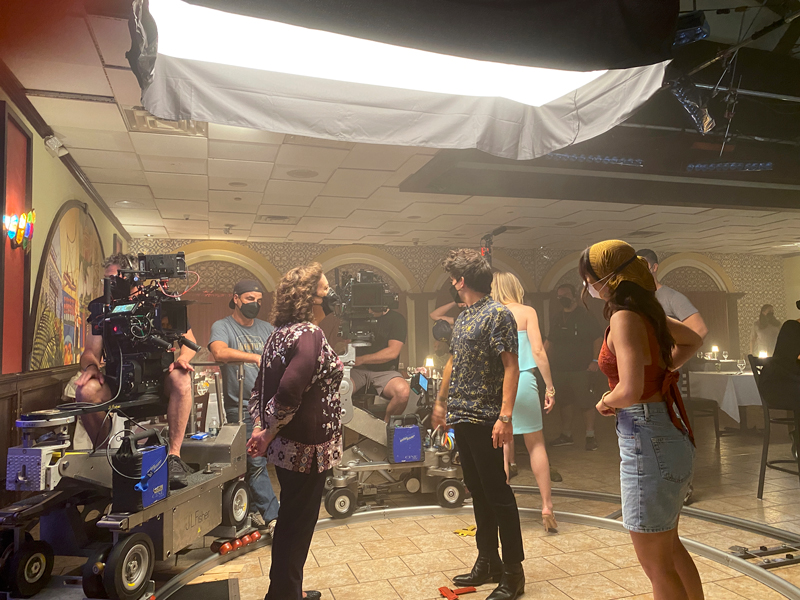
What is a Balloon Light?
A balloon light is a large, inflatable lighting fixture. It creates a massive, soft, and shadowless source of illumination. Cinematographers use these lights to simulate a large patch of sky. They can also create a general, ambient fill light for a big area. The inflatable design makes them relatively lightweight for their large size. This gives them a unique versatility on set.
Characteristics and Types
Balloon lights offer great flexibility. They come in many different shapes and sizes. Common shapes include large spheres, cubes, and long tubes.
These fixtures support various lighting technologies. This allows a gaffer to match any lighting environment. Balloon lights are available in:
| Tungsten | For warm, traditional incandescent light (around 3200K). |
| HMI | For powerful, daylight-balanced light (around 5600K). |
| LED | For modern, energy-efficient light. LED models often provide full-color (RGBWW) control and variable color temperature. This makes them incredibly versatile. |

Rigging: Helium vs. Air
Grips can deploy balloon lights in two primary ways. The choice depends on the budget, location, and environment.
Helium Rigging
Crews can fill a balloon light with helium. This allows the fixture to float and hover over a set. This method is excellent for placing a large, soft light source without needing a large stand underneath. However, this method has a major drawback. Wind makes it very difficult to control. Even a light breeze can turn the balloon into an unmanageable sail.
Air Rigging (Suspension)
A more common and budget-friendly method is to fill the balloon with normal air. The crew then suspends the fixture from above. They often use a large piece of equipment, like a condor (an aerial work platform). The balloon is typically held in a specialized net. This net allows the crew to clamp the fixture securely into the condor’s basket. This air-filled method provides much greater stability and control, especially in windy conditions.
Controlling the Light
Despite their large, soft nature, balloon lights offer good control. Many models come with large, removable “skirts” or “side flaps.” These black fabric panels attach to the balloon. A grip can raise or lower these flaps. This action controls the light spill and prevents it from hitting the background or camera.
The shape of the balloon also affects control. Tube-shaped balloons, for example, are very popular. They offer a long, linear source of light. Their shape also makes it easier to direct the light and control its spill with the side flaps. This makes them a favorite for many lighting professionals.