Available Light
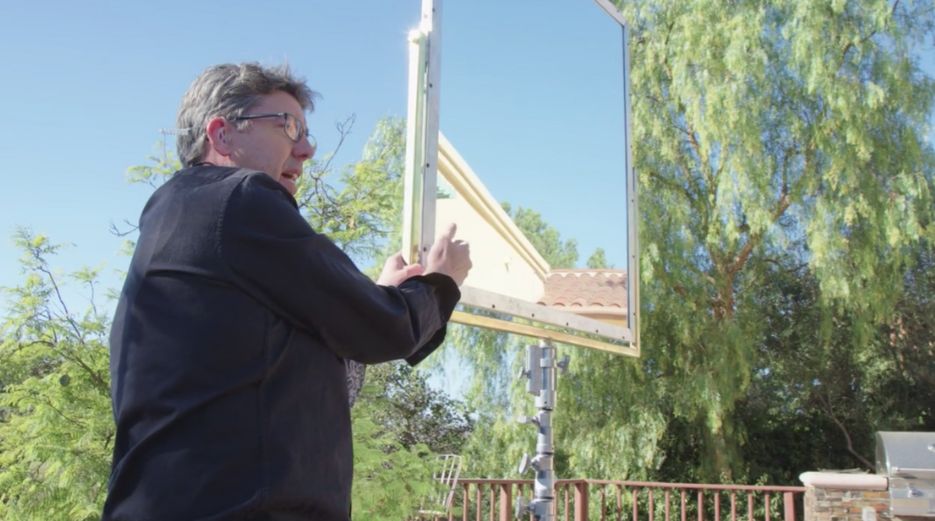
Available light, also known as ambient light, is a term that describes any light source that already exists in a location. It is the light that is not explicitly supplied by the cinematographer or gaffer for the purpose of filming a scene. This includes natural light from the sun or moon. It also includes artificial light from practical sources like lamps, streetlights, or neon signs. Mastering available light is a fundamental skill. It allows filmmakers to create images that feel natural, authentic, and immersive.
Sources of Available Light
Available light comes from a wide variety of sources. A cinematographer must learn to identify and work with all of them. These sources generally fall into two main categories.
| Natural Light | This is any light provided by nature. The most common source is the sun. Its quality changes dramatically throughout the day, from the harsh, direct light of noon to the soft, warm glow of the “magic hour” at sunrise and sunset. Moonlight and even the ambient skylight on an overcast day are also forms of natural available light. |
| Practical Light | This is any light source that is a man-made part of the location or set. This includes interior lamps, overhead fluorescent lights in an office, the glow from a television screen, or the headlights of a car. These sources are called “practicals” because they are a practical part of the scene’s environment. |
The Advantages of Using Available Light
Filmmakers choose to work with available light for several key reasons. First, it often creates a strong sense of realism and authenticity. An image lit by the natural ambiance of a location feels more grounded and believable than one lit with a complex studio setup. Second, on documentary shoots or low-budget productions, working with available light can be much faster and more efficient. It requires less equipment and a smaller crew. Finally, the quality of available light can be incredibly beautiful and evocative. The unique color and texture of a neon sign or the soft wrap of window light can add immense mood and character to a scene.
The Challenge: Control
While available light can be beautiful, its main challenge is the lack of control. The sun moves across the sky. Clouds can suddenly block the light, changing the exposure dramatically. The fluorescent lights in an office might have an unflattering color or create harsh shadows. A skilled cinematographer does not simply use available light. They learn how to manage it.
Managing and Shaping Available Light
A professional cinematographer rarely uses available light on its own. Instead, they use it as their foundation. They then shape and augment it to serve the story. This is a crucial distinction.
| Augmenting | If the available light is not bright enough, a cinematographer will add their own lights to supplement it. They might add a soft key light that mimics the direction of the window light but provides a more consistent exposure on the actor. |
| Subtracting (Negative Fill) | If the available light is too flat, a grip will use a large black flag or floppy to block some of it. This is called “negative fill.” It creates shadows and adds contrast, giving the image more shape and dimension. |
| Bouncing and Reflecting | A cinematographer can also redirect available light. They use white bounce cards or reflectors to catch the existing light and bounce it back onto a subject. This can soften shadows or add a sparkle to an actor’s eyes. |
| Scheduling | When working with natural light, the most important tool is the schedule. A director might plan to shoot a crucial emotional scene during the magic hour to take advantage of its beautiful, soft quality. |
Ultimately, working with available light is not a passive process. It is an active collaboration between the cinematographer and the natural world. It requires a keen eye, careful planning, and a deep understanding of how to shape light to create a powerful and intentional image.
- For more, learn how to light a day interior with no lights!
- PREMIUM COURSE: Lighting Day Interiors: Volume 3