Auteur Theory
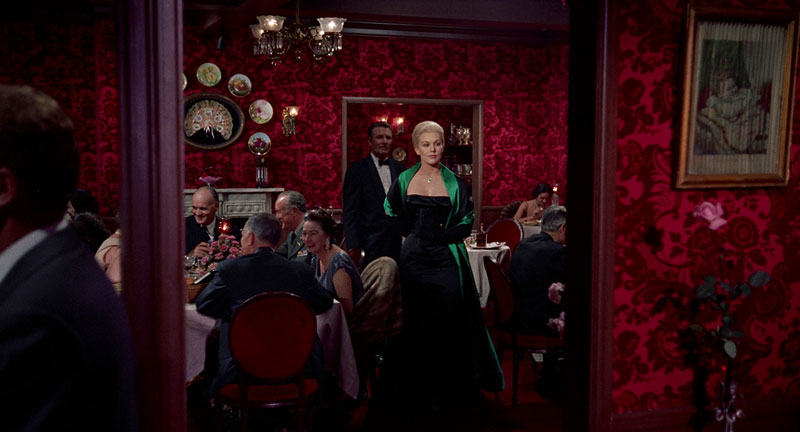
Auteur theory is an influential concept in film criticism. The word auteur is French for “author.” The theory proposes that the director is the true author of a film. They are the primary creative force. Their personal vision and distinct style shape the final work. This idea values the director’s vision above the collaborative contributions of the entire crew. It treats the director as the central artist who gives a film its unique identity.
The Origins in French Film Criticism
Auteur theory emerged from France in the 1950s. A group of young critics writing for the famous journal Cahiers du Cinéma developed the idea. This group included future directors like François Truffaut. They wanted to elevate cinema to the level of other great arts, like literature or painting. They argued that great directors, like great novelists, had a personal, recognizable style. And they championed directors who were able to express a consistent worldview, even within the restrictive Hollywood studio system. American critic Andrew Sarris later championed and popularized these ideas for English-speaking audiences.
What Makes a Director an Auteur?
According to the theory, not every director is an auteur. An auteur is a director who demonstrates a mastery of the medium and a distinct personal vision. Critics look for several key qualities across a director’s body of work.
| Technical Competence | First, an auteur must be a master of film technique. They must have a deep understanding of cinematography, editing, and sound. |
| Signature Style | An auteur must have a distinguishable personality or a signature style. This style appears across their body of work. It can be seen in their camera movements, editing choices, or color palettes. |
| Recurring Themes | Their films must contain “interior meaning.” This refers to a set of recurring themes, ideas, and obsessions. This proves the director is exploring a consistent personal vision over time. |
The Director’s Unifying Vision
Auteur theory does not deny that filmmaking is a highly collaborative art form. However, it argues that the director is the unifying force. They guide the work of the actors, the cinematographer, and the production designer. They channel all these contributions into a single, cohesive artistic statement. The director, in this view, is like the conductor of an orchestra. They ensure that all the individual parts work together to serve one artistic vision.
Legacy and Modern View
Classic examples of auteurs include Alfred Hitchcock, Stanley Kubrick, and Orson Welles. More modern examples might include Wes Anderson or Quentin Tarantino. The theory had a massive impact on film studies. It changed how people analyze and discuss movies. It encouraged viewers to see films as works of personal expression.
Today, many critics argue that the theory overemphasizes the director’s role. They believe it unfairly dismisses the vital contributions of screenwriters, editors, and other artists. Despite these debates, the idea of the director as a visionary author remains a powerful and influential concept.
« Back to Glossary Index