Atmosphere
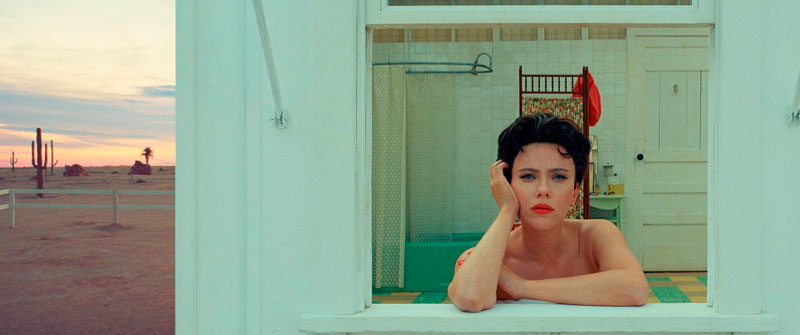
Atmosphere is the dominant emotional mood or feeling of a scene or an entire film. It is the “feeling in the air.” This intangible quality gives a film its dimensional tone. Atmosphere is a crucial part of visual storytelling. It is what the audience feels on an emotional or sensory level. Filmmakers build this feeling intentionally. They use a combination of cinematography, production design, and sound design.
The Two Meanings: Mood vs. Sound
Filmmakers must understand two common uses of this term.
- The Overall Mood (Atmosphere): This is the general, critical definition. It refers to the emotional quality of the scene. For example, the atmosphere might be tense, romantic, desolate, or frantic.
- The Technical Sound (Atmos): In professional sound design, the slang term “atmos” is a synonym for ambient sound. This is the literal background audio of a location. It includes sounds like wind, traffic, or the hum of a room.
These two meanings are deeply connected. The technical “atmos” (sound) is one of the main tools a filmmaker uses to create the emotional “atmosphere” (mood). For example, the sound of a lonely wind (“atmos”) helps create an atmosphere of desolation.
How Filmmakers Create Atmosphere
Atmosphere is not created by one department. It is the successful collaboration of several key creative elements.
| Cinematography | This is often the primary driver. The choice of lighting and color has a direct impact on atmosphere. Low-key lighting with deep shadows creates a suspenseful or mysterious atmosphere. High-key, bright lighting can create a happy or sterile one. The color palette is also vital. Cool blue and gray tones can feel isolating. Warm, golden colors can feel nostalgic. |
| Production Design | The mise-en-scène sets the stage for the mood. A cluttered, dusty room creates an atmosphere of decay. A clean, minimalist set can feel futuristic or cold. The location, set dressing, and props all build this feeling. |
| Sound Design | This is where “atmos” plays its part. The ambient sound layer grounds the audience in the location’s reality. The subtle sound of crickets can make a night feel calm. The sound of distant sirens can make it feel tense. The non-diegetic film score also has a massive, direct impact on the emotional atmosphere. |
| Pacing | The editing of a scene contributes to its feeling. Long, slow, observational takes can build a contemplative or tense atmosphere. A sequence of fast, chaotic cuts creates a frantic and high-energy mood. |
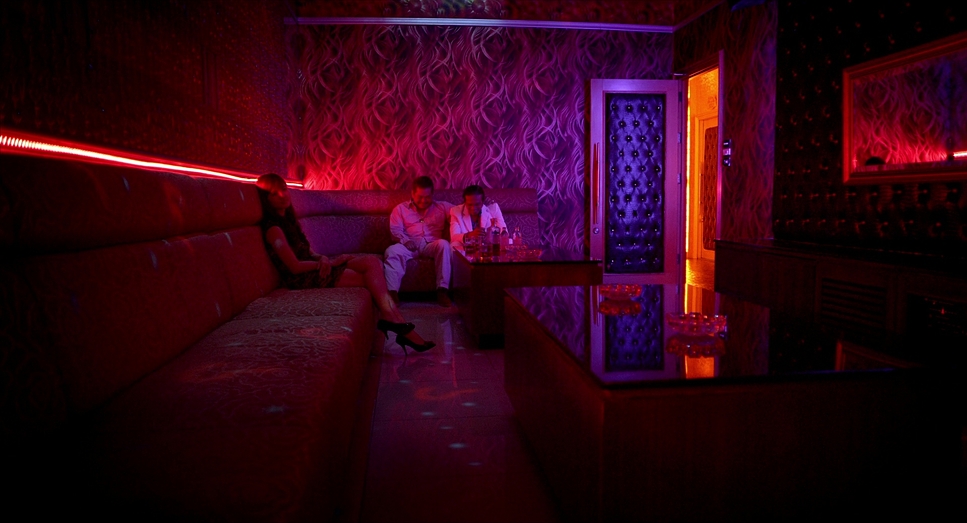
Only God Forgives | FilmDistrict
The Purpose of Atmosphere
Atmosphere is a core part of the narrative and works to immerse the audience in the world of the story. Plus, it makes the location feel real and dimensional. A strong atmosphere can also communicate a character’s internal, unspoken state. If a character is depressed, the director might create a cold, gray, and oppressive atmosphere for the scene. This allows the audience to feel what the character is feeling.