Archetype
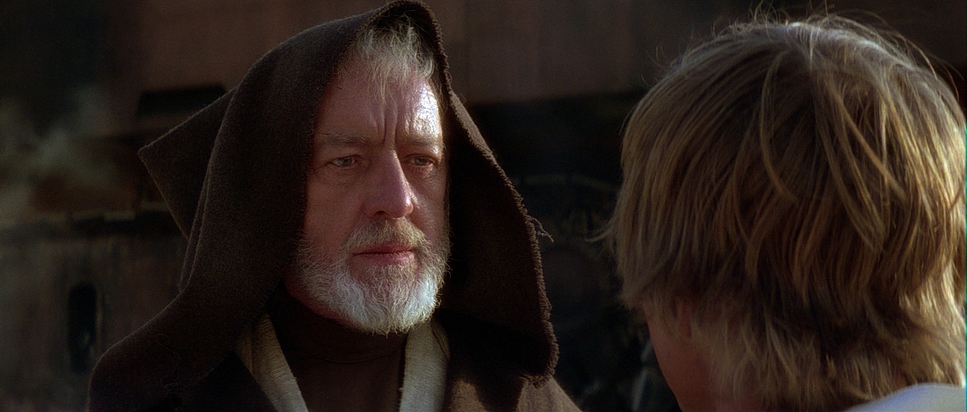
An archetype is a universal and recurring symbol, character, or story pattern. It is a concept that is instantly and automatically understood by audiences. The idea comes from psychologist Carl Jung. He proposed that archetypes are part of a “collective unconscious” shared by all people. In filmmaking, an archetype is a foundational “blueprint” for a character or situation. This blueprint provides a powerful shorthand for storytelling.
Why Archetypes Matter
Filmmakers use archetypes to create an immediate connection with the audience. When we see a “wise old mentor,” we instantly understand their role in the story. We know they will provide guidance, wisdom, and (often) a key item to the hero. The writer does not need to waste time explaining this character’s function. The archetype does the work for them. This allows the story to focus on a deeper, more specific characterization.
Archetype vs. Cliché
It is important to distinguish an archetype from a cliché or stereotype.
- An archetype is the foundational mold or blueprint. It is a powerful and timeless concept, like “The Hero” or “The Mentor.”
- A cliché is a lazy, overused, and unoriginal execution of that archetype.
For example, the “wise old wizard with a long white beard” is a cliché. However, a character like Obi-Wan Kenobi in Star Wars or The Oracle in The Matrix is a successful use of the Mentor archetype. They feel both familiar and unique.

Common Character Archetypes
Screenwriting often draws on a set of common character archetypes. Many of these were famously cataloged by Joseph Campbell in his study of myth, “The Hero with a Thousand Faces.”
| The Hero | The protagonist who goes on a journey of transformation. |
| The Mentor | The wise figure who guides and trains the hero. |
| The Threshold Guardian | A character who tests the hero before they can enter the new world. |
| The Herald | The character or event that brings the “Call to Adventure” to the hero. |
| The Shapeshifter | An ally or love interest who is untrustworthy or whose loyalty is in question. |
| The Shadow | The antagonist or villain. This character often represents the hero’s own repressed fears or “dark side.” |
| The Trickster | A character who provides comic relief but also challenges the status quo. They often use chaos and humor to make a point. |
Archetypes in Plot and Setting
Archetypes are not limited to characters. They can also apply to situations and settings. The Hero’s Journey itself is the most famous archetypal story structure. It describes a hero’s departure, initiation, and return. Archetypal settings also provide instant meaning. A dark, forbidding forest, a desolate wasteland, or an idyllic small town all tap into our shared understanding of what these places represent.
In summary, archetypes are the essential building blocks of myth and storytelling. They provide a familiar framework. This allows filmmakers to build specific, original, and emotionally resonant stories.
« Back to Glossary Index