Camera Techniques for Emotional Storytelling

As a cinematographer, your job extends far beyond simply capturing a well-exposed image. You are a visual psychologist, tasked with translating the complex inner worlds of characters into a language of light, shadow, and movement. Every choice you make—from lens selection and camera placement to the subtle nuances of camera motion—should serve the emotional core of the story. But how do you build a cohesive visual strategy that elevates a performance and immerses the audience in a character’s journey?
In a recent episode of the Inner Circle Podcast, a Filmmakers Academy member poses this very question, outlining his plan for a short film about an elderly man grappling with grief and Alzheimer’s. This sparked an in-depth discussion between hosts Shane Hurlbut, ASC, and Lydia Hurlbut, offering an amazing overview in using “camera emotions” to amplify a narrative.
This article breaks down the key insights from that conversation, providing a practical guide to using camera techniques to visually express complex emotions like loneliness, love, and fear.
(This article is an excerpt from Inner Circle Podcast Episode 21.)
WATCH THE FULL EPISODE:
CAMERA EMOTION: BUILDING A VISUAL STRATEGY
Patrick’s question centers on his short film about a man named John, whose story is told in four parts: his current state of loneliness and grief, flashbacks to happier times with his late wife, an anxiety attack, and a more hopeful ending. His instincts were to use observational, locked-off shots to convey loneliness and more energetic handheld movement for the flashbacks.
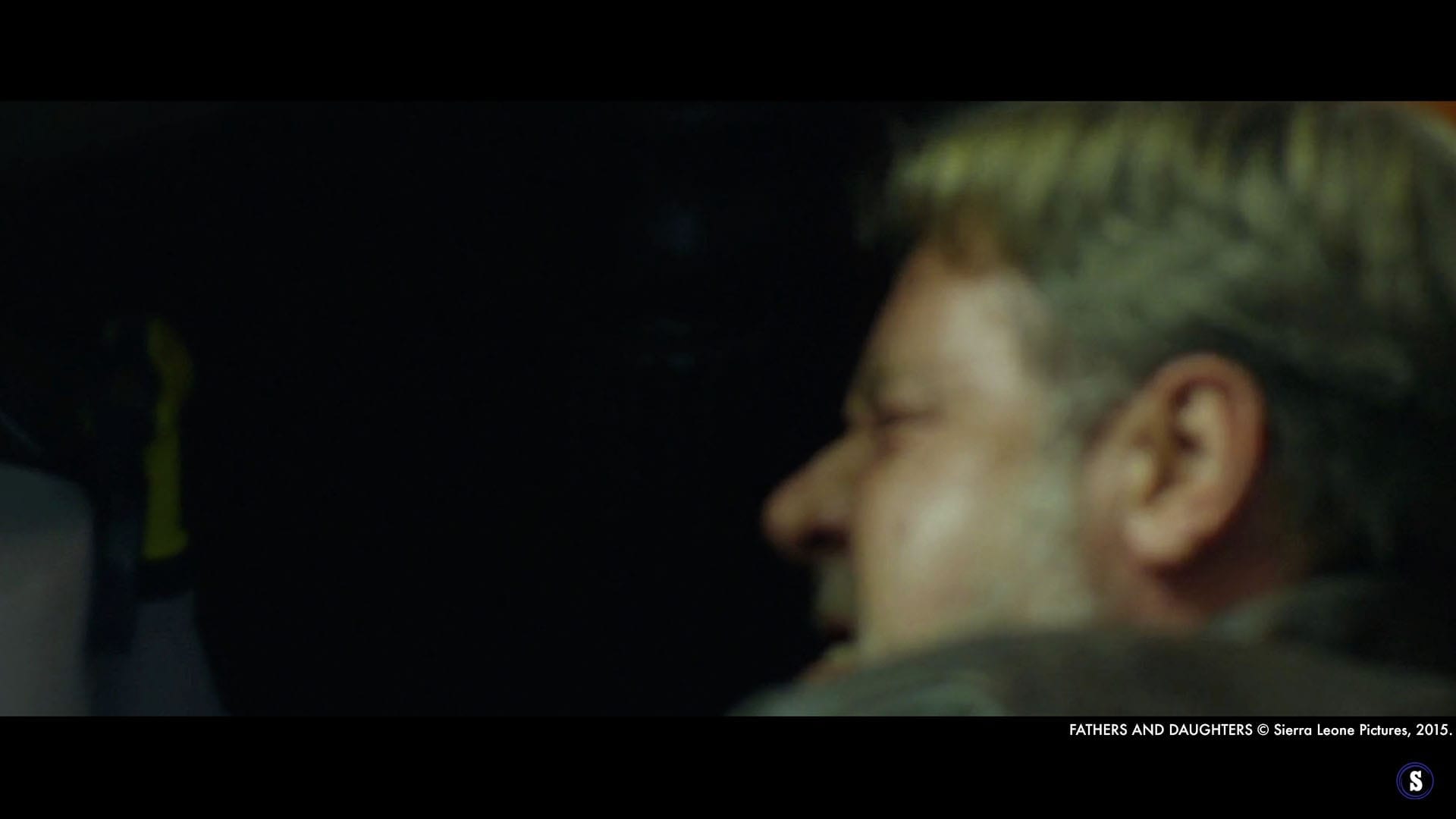
Shane praises these instincts, emphasizing the importance of creating “rules of engagement” for each character or emotional state. He shared an example from a film he lensed, Fathers and Daughters, where Russell Crowe’s character was always center-punched in the frame when he was in control, but pushed to the extreme edges of the frame with uncomfortable headroom or foot room during his manic seizures. This visual rule immediately communicated his psychological state to the audience.
VISUALLY REPRESENTING LONELINESS AND GRIEF
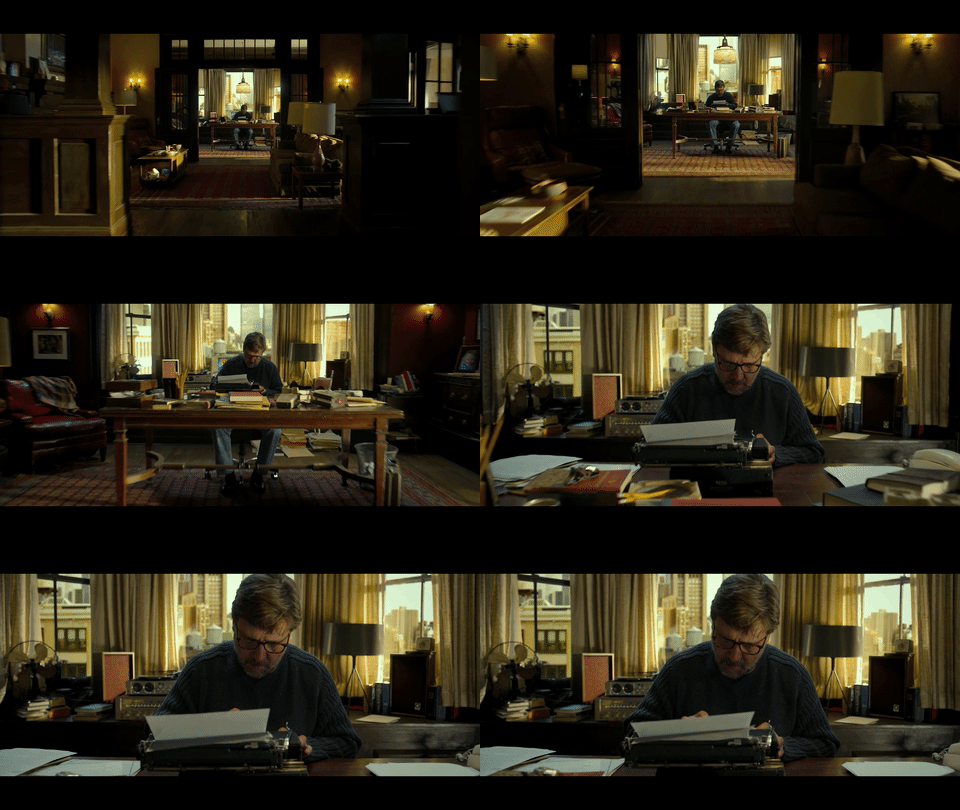
For the first part of John’s story, the idea of keeping the camera distant and using locked-off shots is a powerful way to depict loneliness. Shane adds to this, suggesting the use of a frame within a frame. By shooting through doorways or corridors, you not only make the character feel small but also physically trapped by their environment and their grief.
As the character’s journey progresses after a memory, you can then move the camera closer, perhaps using wider lenses to maintain a sense of the empty space around him. This creates a more immersive yet still isolating feeling, as if the walls are closing in. The key is to juxtapose the visual styles. The still, distant shots of his lonely present will contrast powerfully with the more dynamic, intimate shots of his past.
Fathers and Daughters (2015)
CRAFTING FLASHBACKS AND HAPPY MEMORIES
To create the flashbacks of happier times, the visual language needs to shift dramatically. Shane recommends a combination of techniques to create a warm, vibrant, and energetic feel.
Camera Movement |
Use handheld camera movement to create a sense of life, freedom, and intimacy. Get close to the characters with wider lenses to feel immersed in their joy. |
Warmth and Haze |
Introduce warmer color tones in the lighting or color grade. Adding haze or diffusion filtration (like Tiffen’s Digital Diffusion FX) can soften the image, bloom the highlights, and create a dreamlike, nostalgic quality. |
Lens Choice |
Lenses with a strong character, like vintage Canon K35s or Kowas, which have a more gentle contrast and beautiful flare, can enhance the romantic, memory-like feel. |
DEPICTING PSYCHOLOGICAL DISTRESS: ANXIETY, CONFUSION & ALZHEIMER’S
For moments of intense psychological distress, like John’s anxiety attack or his confusion from Alzheimer’s, the visual approach can become more abstract and unsettling.
Lydia notes that both grief and Alzheimer’s can create a profound sense of imbalance and disorientation. To translate this to the screen, Shane suggests a more radical tool: Swing & Tilt lenses. These lenses, which have a flexible bellows system, allow you to physically shift the focal plane during a shot.
“You can literally pan the lens,” Shane explains, “not the camera.”
By moving the lens, you can make different parts of the frame slide in and out of focus in an unnatural way. This creates a powerful visual representation of a character’s fractured mental state—a moment of clarity followed by sudden confusion. Shane used this technique on Mr. 3000 to show Bernie Mac’s character focusing intently on a pitcher’s grip, creating a “Hawkeye” effect. For a character like John, it could perfectly visualize the disorienting experience of his mind being “in sync, and then all of a sudden it’s not.”
Other techniques for anxiety include using macro lenses for extreme close-ups with intensely shallow depth of field, or the old-school trick of applying Vaseline to a clear filter to create a distorted, blurry effect around the edges of the frame.
FROM LOVE TO FEAR: A VISUAL SPECTRUM
The conversation also touched on how to visually represent more fundamental emotions.
CAMERA EMOTION: LOVE
To show two characters falling in love, start with “clean” single shots, keeping them separate in the frame. As their connection grows, gradually introduce “dirty” over-the-shoulder shots, moving the camera closer and tightening the frame until they are intimately linked, perhaps even overlapping, in the composition.
The lens choice can also evolve from longer lenses (creating distance) to wider lenses (creating immersion) as their love deepens.
CAMERA EMOTION: FEAR
Fear and suspense are often built by manipulating the audience’s perspective. The classic Point of View (POV) shot, as pioneered by John Carpenter, puts the audience in the killer’s shoes.
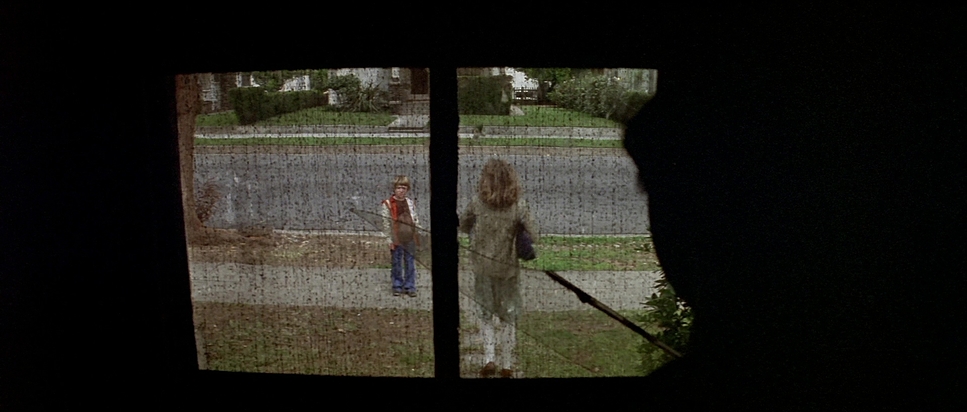
Halloween (1978)
Handheld camera movement that follows a character down a dark hallway creates a sense of vulnerability, as if the threat is right behind them. Slow, deliberate pans into darkness can build immense tension, leaving the audience to imagine what lurks in the shadows.
THE BOTTOM LINE: YOUR CAMERA IS AN EMOTIONAL TOOL
As Shane Hurlbut’s insights reveal, every camera and lighting choice is an opportunity to deepen the audience’s emotional connection to the story. By thinking like a “visual psychologist,” you can create a deliberate and powerful visual language that goes beyond simply documenting the action. Remember, your camera is a tool for expressing emotion, revealing psychology, and immersing your audience in the world of your characters.

UNLOCK THE FULL MASTERCLASS LESSON!
This article is inspired by the deep dive into camera emotions from Inner Circle Podcast Episode 21. For more in-depth lessons on how to master the art and science of cinematography, you need to be a part of Filmmakers Academy.
In our full courses, like Film & Camera Theory, part of the On Set Series: Cinematic Light Sources, you’ll find hours of detailed, on-set instruction to elevate your craft.
You can get access in two ways:
- Become a Filmmakers Academy Premium Member for unlimited access to this and hundreds of other in-depth courses, lessons, and resources.
- Or, make a one-time purchase of individual lessons or complete courses.
JOIN FILMMAKERS ACADEMY AND SAVE $50!
Ready to take your filmmaking skills to the next level? Join the Filmmakers Academy community and gain access to exclusive content, expert mentorship, and a network of passionate filmmakers. Use code FABLOG50 to save $50 on your annual membership!
This episode is proudly lit exclusively by Nanlux-Nanlite Lights and sponsored by B&H and Hollyland.